Watch These Trends
Posted by estiator at 15 January, at 19 : 37 PM Print
COVER STORY
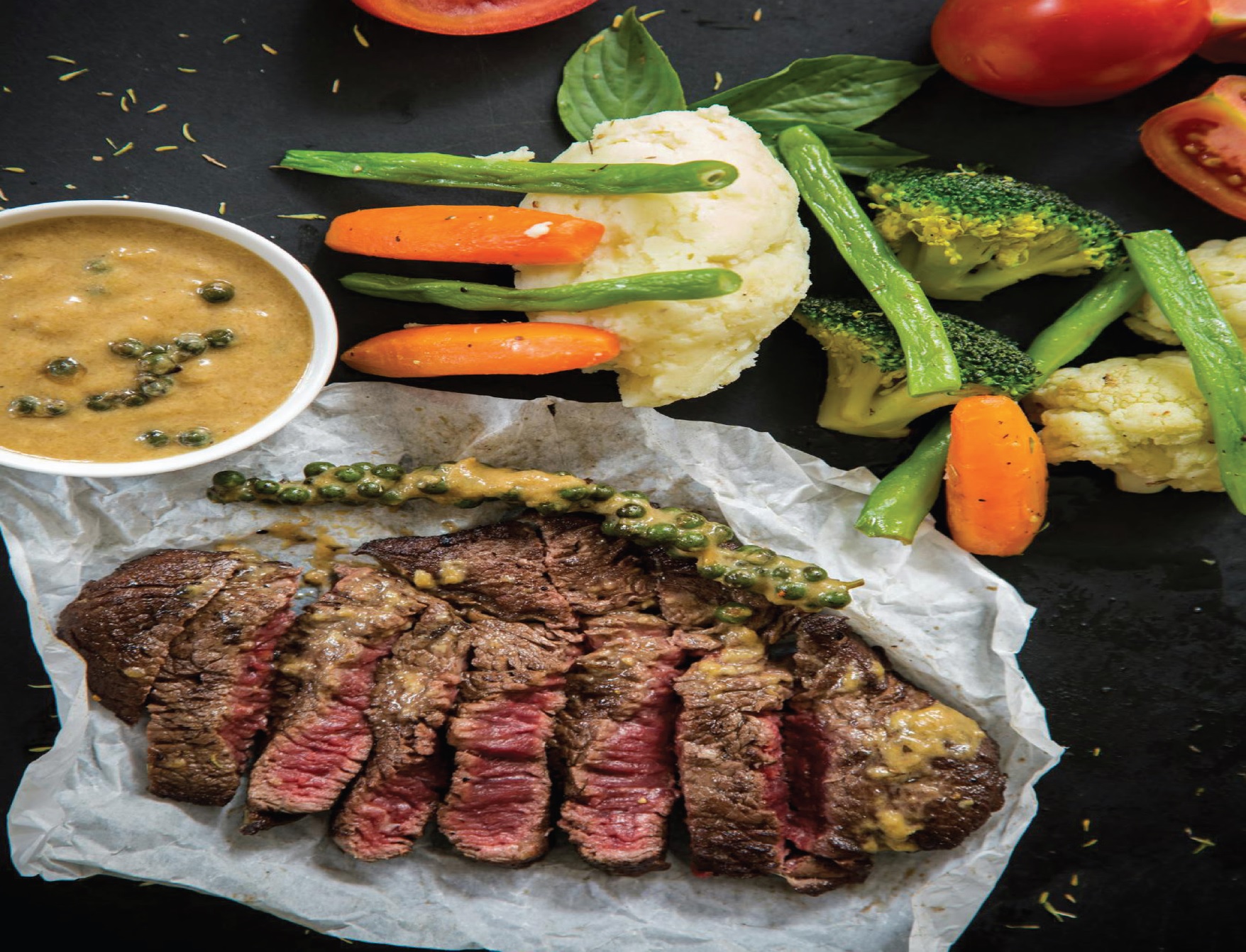
Little luxuries and giant flavors will shape menus in 2026. By Michael Kaminer
Boot up your AI agents, welcome the flexitarians, crank up dipping sauces, zhuzh up your textures, and “freak up” your salads.
’Tis the season when forecasters dig into data, surveys, and consumer sentiment—and maybe consult an oracle or two—to predict food trends for the coming year.
Why should you care? As you know, consumer habits today will inform your decisions later, whether it’s menu edits or purchasing picks.
With that in mind, we at Estiator are excited to present our very selective roundup of 2026 food predictions from industry sources.
The trend that defines next year—and may have the biggest implications for you—comes from German health-news site PMC, which has declared 2026 “the year of living flexitarian.”
What does it mean? “The term combines ‘flexible’ and ‘vegetarian.’ A flexitarian diet means that animal products are not completely eliminated from the menu, but their proportion is significantly reduced,” PMC reports. “Flexitarianism is the dietary form with the greatest growth potential. More than 80% of experts we surveyed see the trend continuing to rise. It’s about an enjoyable evolution. Instead of strict prohibitions, more and more people are opting for a relaxed mix: plenty of plant- based foods, but occasionally a piece of meat—without any guilt.”
Comfort and value are the twin pillars shaping America’s menus right now.
Restaurateurs will have to perform even more of a balancing act, trying to perfect the proportion of products on a menu that are plant-based or not.
At the National Restaurant Association, predictions are for “nostalgia, comfort and ‘flavor escapism’ to define consumer cravings in 2026”— not completely surprising after a tough year.
Estiators may also see the group’s forecast as a challenge. “Comfort and value are the twin pillars shaping America’s menus right now,” said Dr. Chad Moutray, the association’s chief economist. “Consumers are seeking meals that deliver joy and familiarity without breaking the bank, and operators are meeting that ask with creative takes on comfort classics and sourcing local ingredients that make healthy choices easy.”
Among its 10 overall trends: local sourcing, comfort foods, value menus and options, allergen-friendly menus, proteins as add-ons, and compostable/ reusable packaging. Fortunately, many Greek operators are already ahead of those developments.
Global research firm Mintel offered a three-part forecast for 2026. First is “retro rejuvenation”; the translation is that “brands will be seen as cultural custodians that incorporate, preserve, or modernize traditional wisdom with innovations that satisfy consumers’ needs to feel more emotionally and culturally connected to their food and surroundings.” Sound like anyone you know?
Second is “‘Maxxing’ Out, Diversity In,” which pushes back on the “fiber-maxxing” and protein-loading diets that seemed to dominate 2025. Consumers will greatly diversify diets, Mintel says. And a tendency toward “intentionally sensory” eating may also push restaurateurs to evolve. “Use of texture, aroma and appearance will be central to creating innovations that offer inclusive experiences for underserved consumers,” Mintel says.
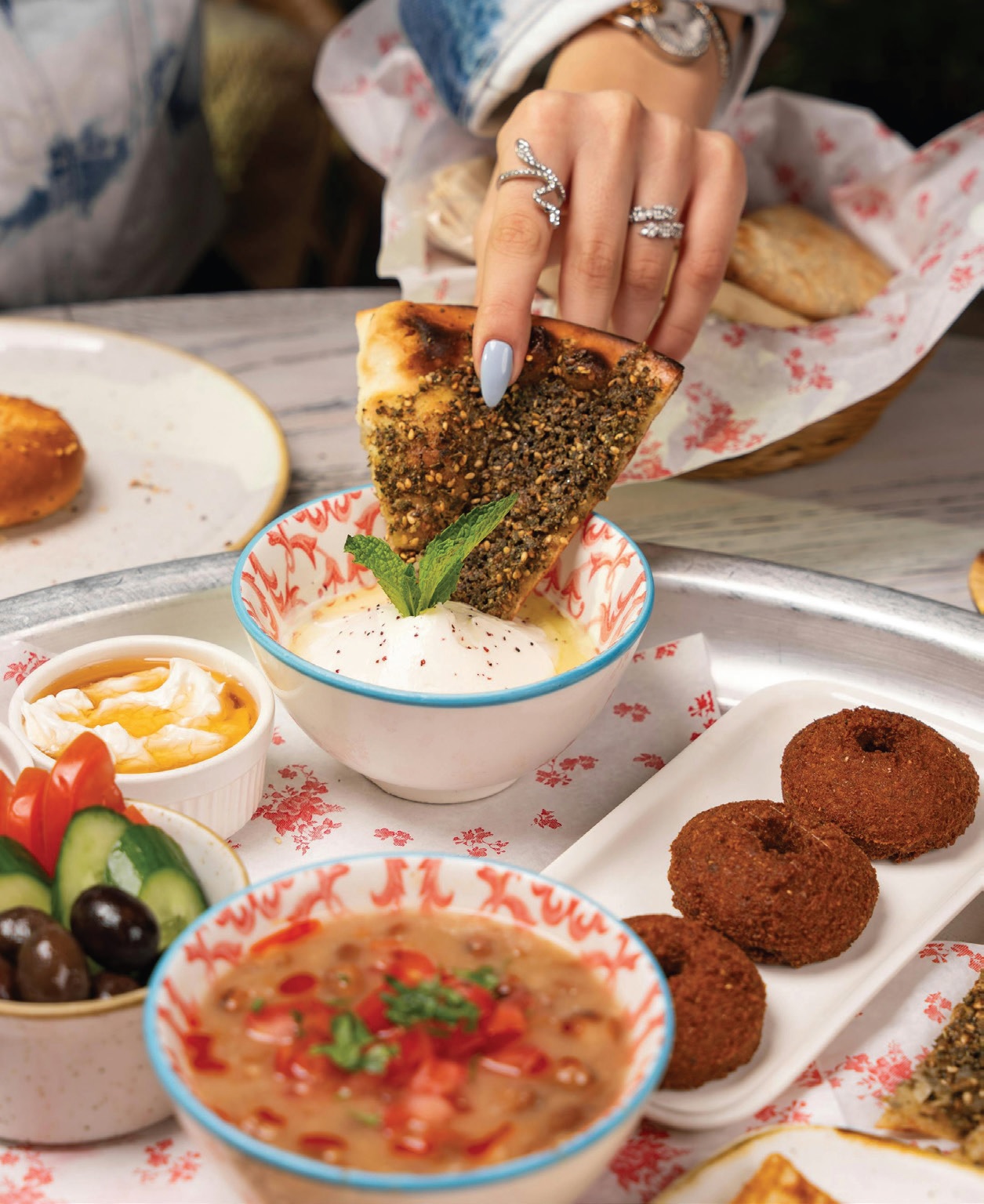
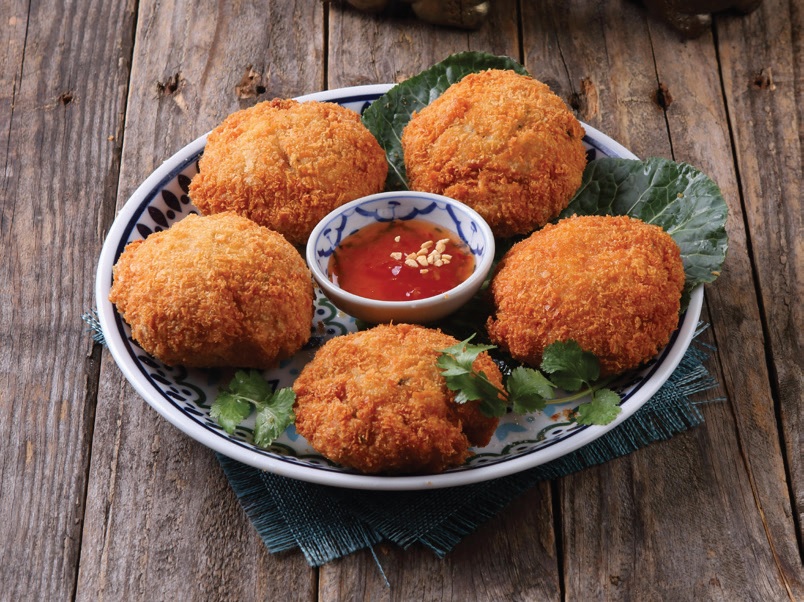
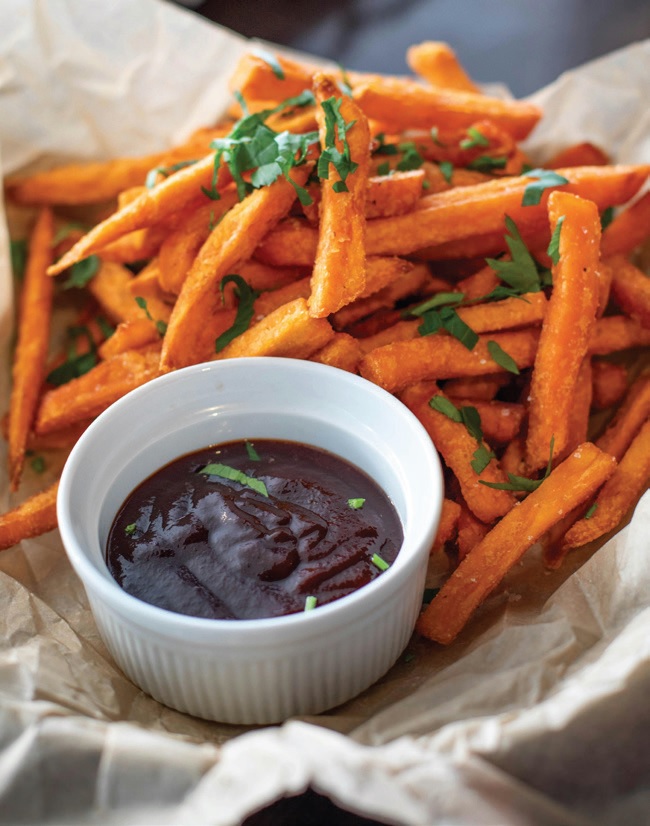
More menu-planning strategies emerge in the forecast from Chicago-based food-service consulting group Technomic. Rather than chase trends, restaurants will offer “a lot more breaded chicken snacks, more dessert beverages, more bold dips and more ‘crispy’ texture callouts. Why bother chasing fads when the runway looks so long for this stuff?” Technomic’s report says.
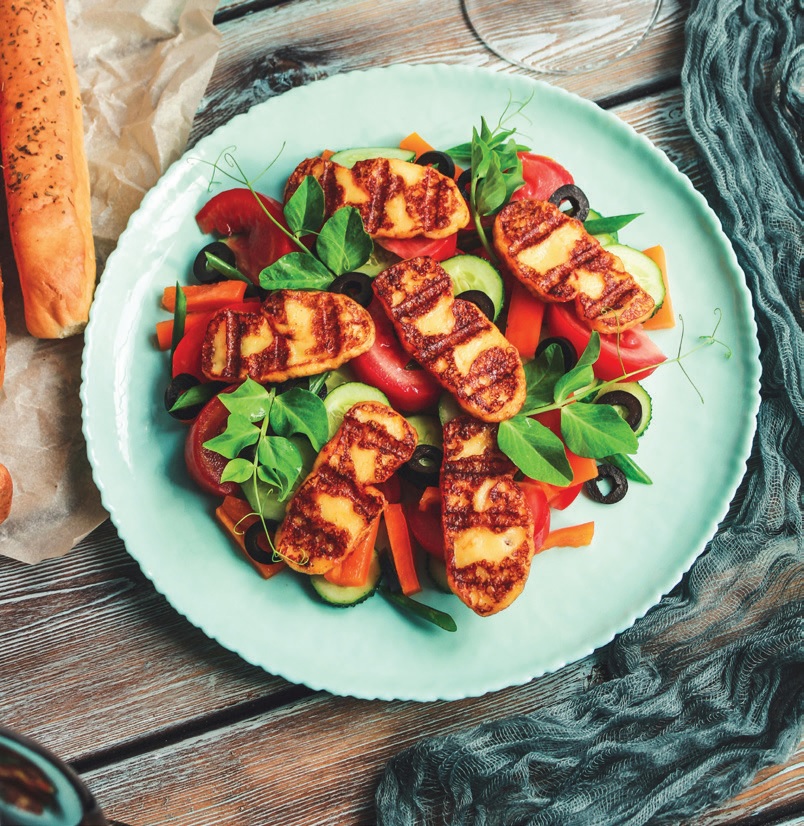
“Elevated dipping experiences” are also on the way next year, the group predicts. “Restaurants will embark on new dipping strategies to broaden and evolve the trend. Envision flights that incorporate multiple dips to accompany a variety of finger foods, and oversize portions intended for dunking,” Technomic writes. And the humble halloumi cheese will finally have its moment in 2026, the company predicts. “Halloumi—the salty cheese you can grill or sear like meat—will rocket to hero protein status on menus across the Americas and further cement a place at chains,” Technomic says.
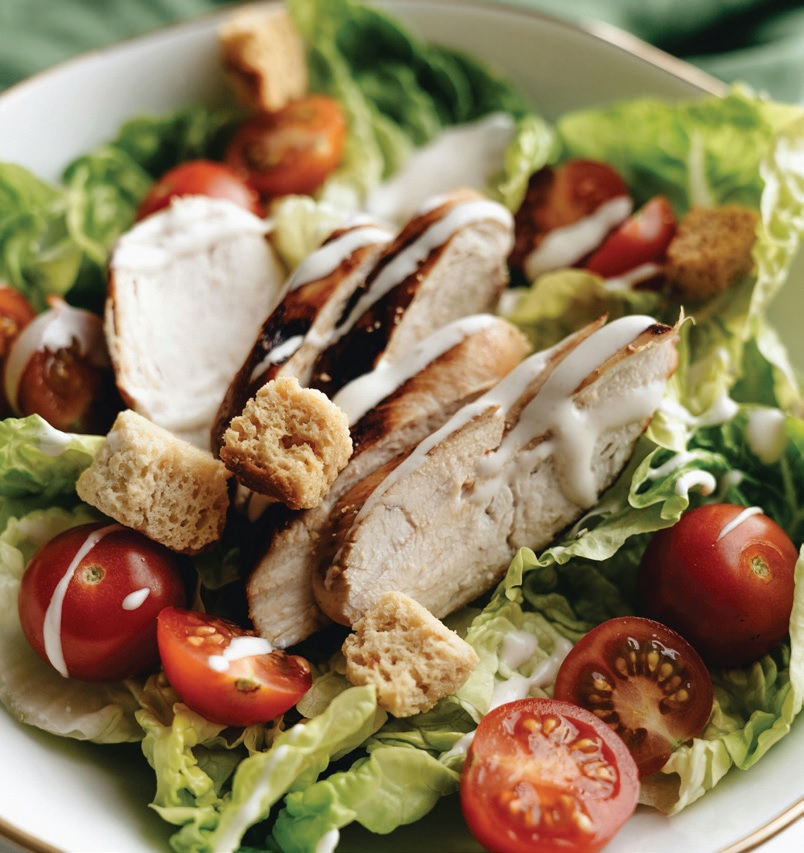
For its own predictions, review site The Infatuation looked at what’s on the plate as well as what customers want. At the top: “Freakier Caesars,” presumable with social media in mind, as salads go ever further over-the-top. Martini garnishes are also “going wild,” the site says, with variations like pastrami and cinnamon-raisin bagel. And hot dogs are now anything customers want them to be, from fish cakes on a bun to Wagyu beef.
With that in mind, operators should note that The Infatuation predicts “little luxuries are going premium” as customers forgo the big ones. Examples? Matcha is “ceremonial-grade,” and sushi comes in “bamboo boxes that resemble treasure chests filled with jewels.” How can that translate for Greek establishments? Gyros with gold leaf?
With the stressed-out, increasingly demanding consumer in mind, “nice touches” are also on the rise for 2026, the site says. Restaurants are packing leftovers in “glamorous tinfoil handbags” or greeting customers with “a mint-scented hand towel that could make a person feel like Mariah Carey.”
Restaurants will embark on new dipping strategies to broaden and evolve the trend.
Not to be outdone, Chicago’s Institute of Food Technologists (IFT) predicts the wheels are going to come off food combinations next year. “Gen Z is driving a growing appetite for adventurous flavors, mashups, and textures,” the group’s report says.
Consumers are craving “joy and escape through imaginative and unexpected flavor combinations, playful sensory experiences, and products that provide ‘small moments of delight,’” IFT’s report notes. “A shift toward more experiential eating, where taste, texture, and color come together to offer novelty and stimulation, will include fermented flavors, regional pepper varietals, and smoked and savory notes.”
On the flip side is a trend estiators know well, since it’s part of our culture. “Attention is turning to medicinal culinary herbs that carry both nutrient density and distinctive flavor,” IFT observes.
“Medicinal herbs that are packed not only with nutrients but also immense flavor will break away from being used just as additives in food and beverages to being front-and-center flavor.” Examples: holy basil and nettles in pestos, dandelion greens and mallow in savory pies and soups, and purslane in salads and smoothies.
What can you learn from a quick-service brand’s predictions? Plenty, if the forecast comes from Yum Brands, parent of Taco Bell and Pizza Hut.
Among the insights from the company’s internal strategy agency, Collider Lab: The “me-me-me economy” will drive ordering choices in 2026. “Consumers seek meals that reflect their individual tastes. Solo orders are up from 31% in 2021 to 47% in 2025—a jump of 52%.” Over half of these occasions are what Yum calls “premium” moments, falling in the $10-$30 range and over-indexing on treats like snacks and beverages. And personal-size pizzas are outperforming with Gen Z and millennials. The bottom line—24% of solo diners eat to satisfy a craving, the report concludes.
The company’s report also predicts a rise in “choice therapy. Boxes and curated meal bundles are becoming symbols of control. Restaurants that let consumers create their own meals consistently outperform convenience-focused menus.” Finally, customers are approaching food “through its emotional value rather than just price…” Cool” is now the top attribute driving momentum for quick-service brands, “even outranking craveable food,” according to the report.
Griffith Foods, a global product development partner for food companies, brings inside intelligence to its forecast, presenting “six trends will reshape how the world eats in 2026.”
Among them: Protein-rich foods are here to stay. According to a recent study, more than 48 percent of consumers intend to boost protein consumption. Another direction: craveable textures. “From crunchy, creamy, chewy, and more, texture has become a main attraction. Consumers now want dining experiences that go beyond flavor and fully engage the senses, making texture a critical part of the menu,” Griffith notes.
Street food is its own genre, from handhelds to food on a stick, anything goes.
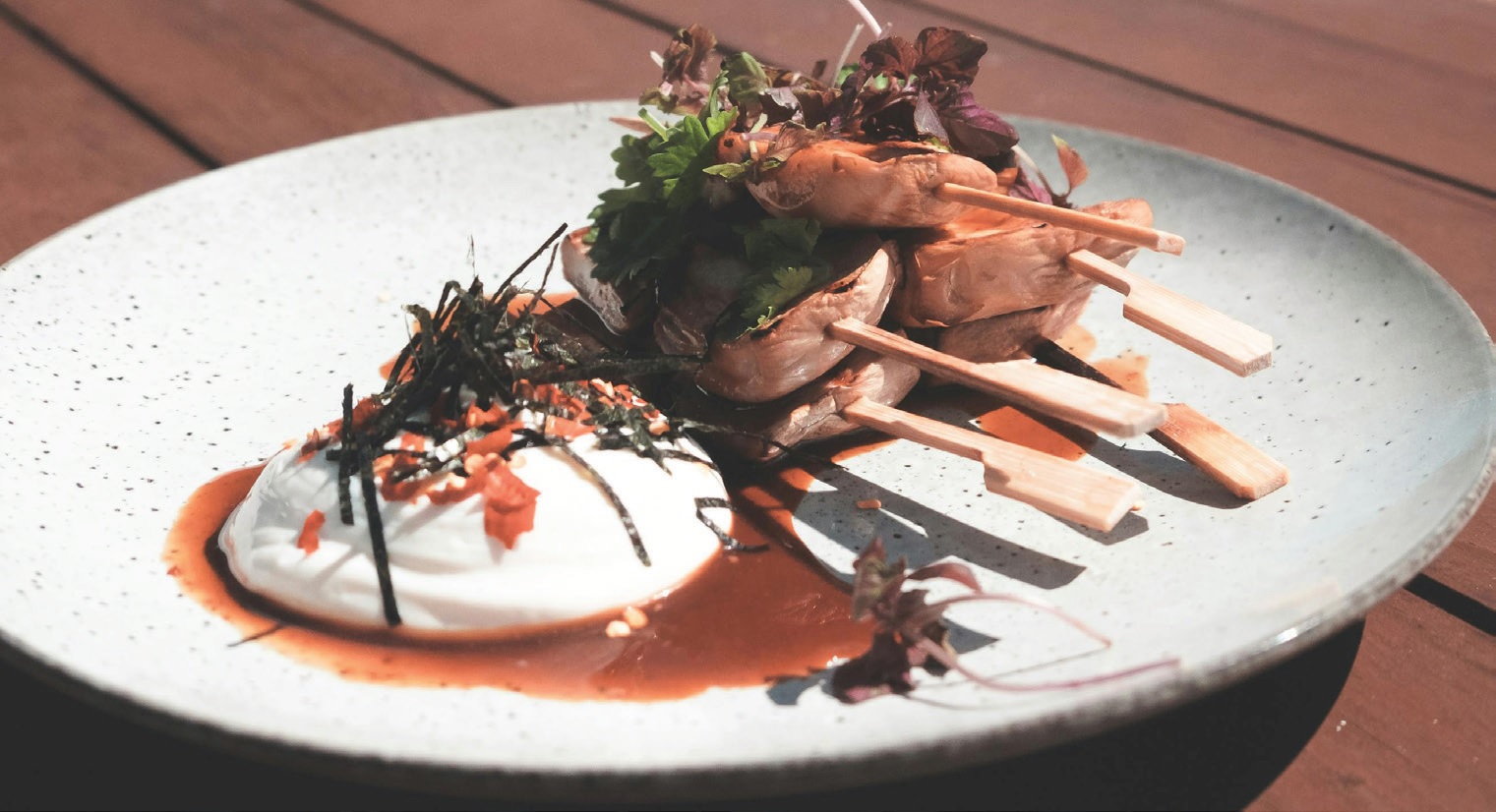
In a very positive development for Greek restaurants, Griffith also forecasts the rise of street food. “Street food flair is coming to your table. What started in sidewalk carts and open-air markets featuring locally sourced offerings has sparked the curiosity of patrons, restaurants, and manufacturers alike. Street food is its own genre, from handhelds to food on a stick, anything goes.”
Likewise, traditional ingredients with high nutritional value will emerge as the year’s “hero” foods, Griffith says. “Wellness wins next year. Time-tested, nutrient-dense foods (those higher in vitamins, minerals, fiber, and protein and lower in saturated fat, sodium, and sugar) serve as the ‘hero ingredients’ for global consumers’ demand for wellness.”
Contemporary flavors “also bring new life to age-old herbs, spices, legumes, and grains. A recent consumer survey showed a shift toward nutrient-dense foods, and nearly 60% paying closer attention to food ingredients versus just a year ago,” the report says.
Finally, if you’re wondering how AI may affect your business in the coming year, marketing firm Skydeo forecasts multiple effects.
Instead of browsing menus, customers will rely on AI-powered “meal matching,” making AI assistants their first stop for meal decisions. Rather than check out your offerings, consumers may ask their device a question like, “Find me a high-protein lunch under 600 calories.” Optimizing your online presence for that kind of search will become critical.
Personalized AI-driven promotions will also replace “upsells,” Skydeo predicts. Instead of blanket promotions, consumers will receive notices like, “You’re low on protein—here’s 30% off a high-protein bowl,” or “It’s a GLP-1 day—try a lighter entrée.”
Agentic AI—which makes decisions for users—will also affect our industry. 2026 is the first year consumers outsource routine eating to AI agents. AI agents will place weekday lunch orders, manage coffee routines, plan family meals, and auto-adjust portions. To stay relevant, restaurants must integrate with ChatGPT Atlas, DoorDash AI, Amazon Rufus, and Google Gemini Assistant, Skydeo says. If an AI agent can’t find your restaurant, it can’t recommend your restaurant.
Regardless, we think the human touch will always play the most important role in building a successful restaurant business. Read through Estiator’s profiles of entrepreneurs, and you’ll find that as a common thread—philoxenia will never go out of style, and a robot will never replace it.
On that note: Σας ευχόμαστε το Νέο Έτος να σας φέρει χαρά, υγεία και επιτυχία—here’s to a happy, healthy, and successful new year.

On their way out
These overdone trends will finally wane in 2026, experts say. For every food trend, there’s a tired, overdone fad whose goodbye we’ll all enjoy. Here’s a short list of 2025 phenomena that should fade away in the new year.
• Keto and low-carb diets
• Viral sweet treats (think Dubai chocolate)
• CBD snacks
• Excessive brand partnerships
• Meat mimicry (instead of letting plant-based food shine)
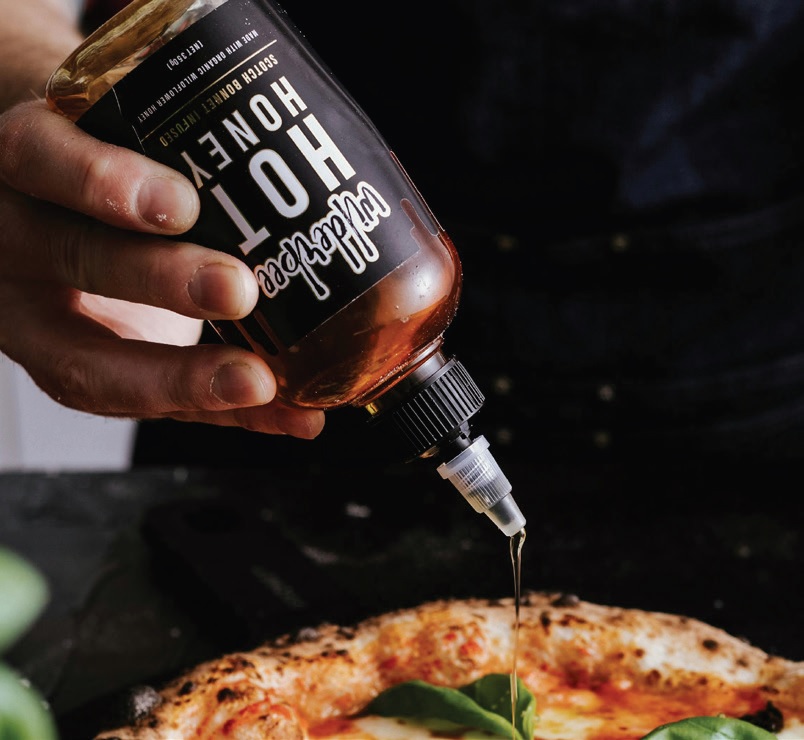
• Hot honey
Meals as social-media experiences (“Open your eyes, open your senses,” one chef begs)
• Truffles
• Thin smash burgers
• Fussy, deconstructed foods