The Rise of Non-Alcoholic And Specialty Cocktails
Posted by estiator at 15 January, at 19 : 05 PM Print
KNOWLEDGE IS POWER By Peter Kambitsis, Entrepreneur
A new era behind the bar.
Over the past few years, one of the most fascinating evolutions in the hospitality world has not been on the plate—it has been in the glass. The beverage segment has entered a renaissance, driven by a cultural shift toward health-consciousness, mindful drinking, elevated flavor exploration, and a desire for more inclusive hospitality experiences. Whether you operate a full-service restaurant, a café, a bakery, or a high-energy bar, the modern guest expects more thoughtful drink options than ever before.
In my own concepts, I’ve seen firsthand how a well-built beverage program can drive traffic, strengthen brand identity, and dramatically increase check averages. But what’s most striking is the rise—some would say explosion—of non-alcoholic cock- tails and specialty beverages. These drinks are no longer afterthoughts for the designated driver or the health-focused guest. They have their own category, their own techniques, and increasingly their own loyal customer base.
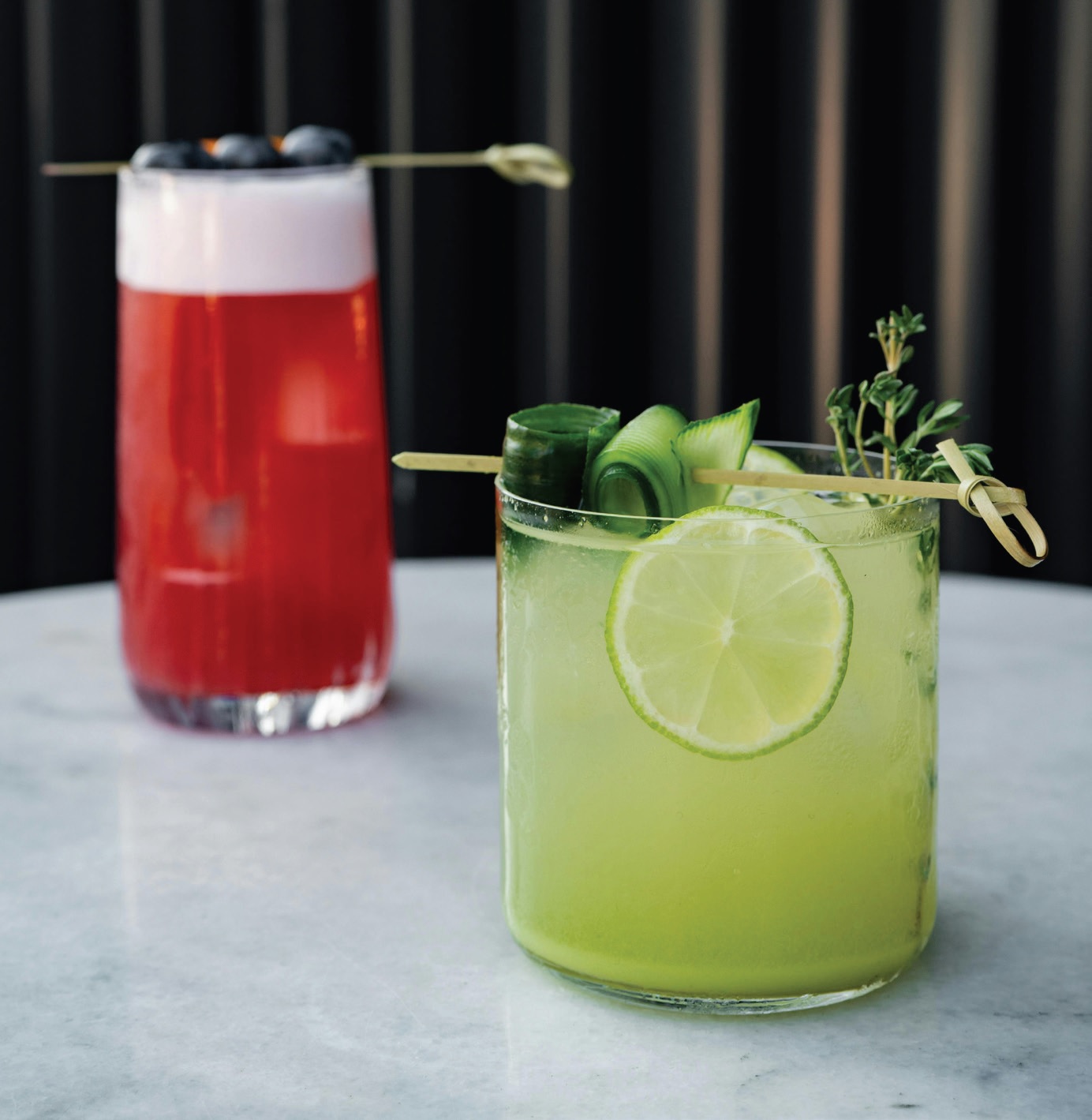
Today’s bartenders are being called to operate with the creativity of mixologists, the precision of chefs, and the storytelling of brand ambassadors. As this segment continues to grow, under- standing the techniques behind great non-alcoholic and specialty drinks becomes essential for any operator who wants to stay relevant.
Why Non-Alcoholic and Specialty Beverages Are Surging
Several forces are shaping the beverage landscape. Guests—especially millennials and Gen Z—are more mindful about alcohol consumption. They want to socialize and enjoy high-end drink experiences without the next-day con- sequences. They want flavor, complexity, aroma, ritual, and presentation, but without the ABV. At the same time, wellness trends have pushed functional beverages—drinks with adaptogens, botanicals, fruit reductions, cold-pressed juices, and house-made syrups—into the spotlight.
And just like new global food trends, the beverage world is being influenced by flavors from around the world: yuzu, tamarind, hibiscus, cardamom, ube, pandan, and Mediterranean herbs, just to name a few. These ingredients offer bartenders new tools to craft drinks that feel both fresh and familiar.
Guests are also willing to pay premium prices for non-alcoholic cocktails when they are made with the same craftsmanship and intention as traditional cocktails. In many of my own venues, our best-selling beverages are zero-proof. The demand is here— and it is only growing.
The New Skill Set: What Bartenders Must Master
If the traditional bartender’s craft revolved around spirits, balances, and quick execution, the modern bartender must now learn to work with a wider palette: house-made mixers, infused syrups, reductions, teas, ferments, aromatics, and non-alcoholic spirit alternatives. Here are the top techniques bartenders can use to excel in this rising category.
Technique #1: Crafting House- Made Syrups and Reductions
House-made syrups elevate any beverage program. They add personality, depth, and authenticity to both cocktails and mocktails. Popular options include:
• Hibiscus syrup for tart floral notes.
• Honey-ginger syrup for spice and warmth.
• Brown sugar or demerara syrup for depth.
• Cardamom-vanilla syrup for Mediterranean-inspired drinks.
• Citrus-herb reductions using rosemary, thyme, basil, or mint.
• Reductions—slowly simmered fruit or herbal concentrates—offer an even richer flavor. A straw- berry-basil reduction or pomegranate-mastic blend can turn a simple sparkling water into a signature beverage with strong identity.
Technique #2: Using Non- Alcoholic Spirits Thoughtfully
Non-alcoholic spirits have advanced dramatically. Lines of zero-proof gin, whiskey, aperitifs, amaros, and botanical blends replicate the mouthfeel, bitterness, and complexity of alcohol-based spirits. Bartenders should:
• Treat these spirits like their alcoholic counterparts in terms of balance.
• Layer them with citrus, bitters, aromatics, and spice.
• Avoid overly sweet builds—great zero-proof drinks should have structure.
• Use them for classics: a non-alcoholic Negroni, gin and tonic, mojito, or espresso martini.
• The best bartenders experiment until they find combinations that provide the same “adult” experience guests expect.
Technique #3: Incorporating Tea, Botanicals, and Ferments
Tea has become one of the most versatile tools behind the bar. Black teas add tannins and body, green teas give freshness, and herbal infusions offer nuance. Chamomile, hibiscus, lavender, sage, and mint can each anchor a beverage.
Kombucha and other fermented beverages provide natural effervescence and acidity, functioning almost like a sparkling wine alternative in zero-proof spritzes.
Technique #4: Elevating Presentation Through Garnish and Glassware
A non-alcoholic drink should feel equally special, and presentation plays a major role. Some best practices include:
• Using elegant stemware, coupes, or vintage glassware.
• Garnishing with dehydrated citrus, brûléed fruit, edible flowers, or aromatic herbs.
• Adding a mist of citrus oil for theatrical aroma.
• Using contrasting colors—vibrant syrups layered with sparkling water, foams, or clarified juices.
• People drink with their eyes first. Whether alcoholic or non-alcoholic, a beverage needs visual appeal.
Technique #5: Layering Texture and Mouthfeel
Zero-proof drinks risk feeling thin compared to cocktails made with alcohol, which naturally provides body. Bartenders can solve this by:
• Using aquafaba or pasteurized egg white for foam and structure.
• Adding small amounts of glycerin-based non-alcoholic spirits for weight.
• Incorporating clarified juices.
• Using a pinch of sea salt to enhance flavor and create roundness.
• Texture is one of the most over- looked elements—but one that instantly elevates the experience.
Where Operators Should Focus Now
The most successful restaurants today treat beverages as core menu items, not accessories. A thoughtful drink program:
• Increases check averages. Differentiates a brand in crowded markets.
• Encourages repeat visits.
• Appeals to health-conscious and sober-curious guests.
• Creates social-media-friendly moments.
• From my perspective as both an operator and entrepreneur, the beverage program is becoming as strategically important as the food menu—sometimes more so.
Looking Ahead
The rise of non-alcoholic cocktails and specialty drinks signals a larger shift in hospitality: inclusivity, intentionality, and elevated craftsmanship. Today’s guests want to enjoy the ritual of a great drink without compromising their lifestyle. They want flavor, creativity, and connection.
Bartenders who embrace these emerging techniques will not only meet demand—they will define the next era of beverage innovation. And operators who invest in this category will find themselves ahead of the curve in a world where the glass is quickly becoming the new centerpiece of the guest experience.
I always welcome your ideas and feedback. Share the questions or trends you’d like me to explore next — together, we can uncover insights that drive our collective success.
Peter Kambitsis, cofounder of Kambitsis Group, has created successful businesses throughout the U.S. and Greece. Reach him at peter@kambitsisgroup.com.