Riding the Rollercoaster
Posted by estiator at 15 August, at 19 : 30 PM Print
Navigating economic challenges and opportunities.
KNOWLEDGE IS POWER By Peter Kambitsis, Entrepreneur
The restaurant industry, a vibrant tapestry woven with the threads of culinary creativity, social connection, and entrepreneurial spirit, is constantly in motion. It’s a sector that thrives on adaptability, resilience, and a keen understanding of the ever-shifting economic landscape.
Today, perhaps more than ever, restaurant owners are facing a complex interplay of challenges and opportunities, demanding a strategic approach to ensure survival and, ultimately, success. This article delves into the core economic hurdles facing restaurant operators, while simultaneously highlighting the innovative strategies being employed to not only weather the storm but also to capitalize on emerging opportunities.
The Persistent Shadow of Inflation
Inflation, the relentless erosion of purchasing power, casts a long shadow over the industry. It’s a multifaceted problem that impacts every aspect of operations, from the cost of ingredients to the price of utilities.
The initial shockwaves of rising inflation were felt acutely in the supply chain. Restaurants, already grappling with pandemic-related disruptions, found themselves facing soaring prices for essential food items. Meat, dairy, produce — the building blocks of a restaurant’s menu — became significantly more expensive, squeezing profit margins and forcing difficult decisions.
Beyond the immediate impact on food costs, inflation also affects other operational expenses. Energy bills, essential for powering kitchens and dining areas, have climbed. The cost of labor, a critical component of any restaurant’s success, has also been influenced by inflation, as employees seek higher wages to keep pace with the rising cost of living. This creates a delicate balancing act for restaurant owners, who must manage expenses while striving to maintain competitive wages to attract and retain skilled staff.
Strategic Responses: Navigating the Price Puzzle
Faced with these inflationary pressures, restaurant owners are not simply passive observers. They are actively seeking solutions, employing a range of strategies to mitigate the impact and protect their bottom lines.
One of the most immediate responses is a careful review of the supply chain. Restaurants are exploring alternative suppliers, seeking out more competitive pricing, and negotiating favorable terms. This might involve sourcing ingredients from local producers, reducing reliance on a single supplier, or exploring bulk purchasing options. The goal is to minimize the cost of goods sold (COGS), a critical metric for profitability.
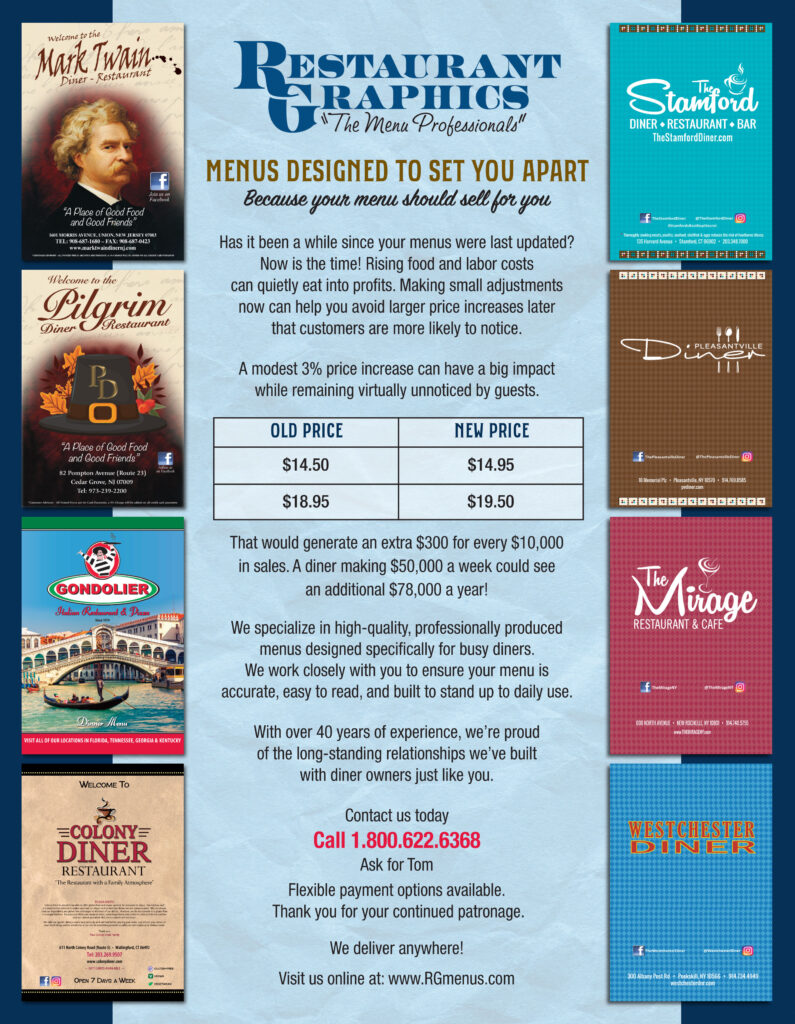
Another crucial strategy is strategic menu pricing. This is not simply a matter of arbitrarily raising prices. Instead, it requires a nuanced understanding of customer behavior and price sensitivity. Restaurants are carefully analyzing their menus, identifying items where price increases will have the least impact on demand. They are also exploring ways to optimize menu design, highlighting higher-margin items and creating appealing combinations that offer perceived value to customers.
The Value Equation: Meeting Consumer Expectations
In an inflationary environment, consumers become increasingly price-conscious. They are looking for value — the perception of getting a good deal for their money. This shift in consumer behavior presents both a challenge and an opportunity for restaurants.
The challenge lies in balancing the need to maintain profitability with the desire to offer attractive prices. The opportunity lies in understanding what constitutes value in the eyes of the customer and tailoring offerings accordingly.
Many restaurants are responding by introducing multi-item bundles and deals. These promotions allow customers to enjoy a complete meal at a price that feels more affordable than ordering individual items. Family meals, lunch specials, and happy hour deals are all examples of strategies designed to provide value and attract customers.
Beyond price, value also encompasses other factors, such as portion sizes, quality of ingredients, and the overall dining experience. Restaurants are focusing on delivering a high-quality product and service, ensuring that customers feel they are getting their money’s worth. This might involve using fresh, locally sourced ingredients, providing attentive service, and creating a welcoming atmosphere.
Optimism Amid Uncertainty: Seizing the Opportunities
While the economic challenges are undeniable, the restaurant industry is not defined by pessimism. Many operators are approaching the future with a sense of optimism, recognizing that challenges often breed innovation and opportunity.
One area of focus is operational efficiency. Restaurants are leveraging technology to streamline processes, reduce waste, and improve productivity. This might involve implementing online ordering systems, using inventory management software, or automating tasks in the kitchen. The goal is to reduce costs and improve the overall efficiency of the operation.
Another key area is menu innovation. Restaurants are constantly experimenting with new dishes, flavors, and ingredients. They are also adapting their menus to meet changing consumer preferences, such as the growing demand for plant-based options and healthier choices. Menu innovation can attract new customers, generate excitement, and increase profitability.
Marketing and promotion are also critical. Restaurants are using a variety of digital channels, including social media, email marketing, and online advertising, to reach potential customers. They are also focusing on building relationships with their customers, creating loyalty programs, and offering personalized experiences.
The Path Forward: A Recipe for Success
Navigating the economic challenges and opportunities in the restaurant industry requires a multifaceted approach. It demands a combination of financial discipline, operational efficiency, and a deep understanding of consumer behavior.
Here are some key takeaways for restaurant owners:
Monitor and manage costs: Closely track all expenses, from food costs to labor costs to utilities. Explore ways to reduce costs without compromising quality.
- Optimize menu pricing: Analyze your menu, identify items with high profit margins, and adjust prices strategically.
- Embrace technology: Utilize technology to streamline operations, improve efficiency, and enhance the customer experience.
- Focus on value: Offer customers a compelling value proposition, whether through price, portion size, quality, or service.
- Innovate and adapt: Stay ahead of the curve by experimenting with new dishes, flavors, and ingredients. Adapt your menu to meet changing consumer preferences.
- Build relationships: Cultivate strong relationships with your customers, employees, and suppliers.
- Stay informed: Keep abreast of industry trends, economic developments, and consumer behavior.
Our industry is a dynamic and resilient sector. By embracing these strategies, restaurant owners can navigate the economic challenges, seize the opportunities, and build a thriving business that delights customers and contributes to the vibrant culinary landscape.
Peter Kambitsis, cofounder of Kambitsis Group, has created successful businesses throughout the U.S. and Greece. Reach him at peter@kambitsisgroup.com.