How to Make Valentine’s Day a Success
Posted by estiator at 15 February, at 19 : 10 PM Print
KNOWLEDGE IS POWER By Peter Kambitsis, Entrepreneur
A strategic playbook for restaurants.
Valentine’s Day is one of the most emotionally charged and operationally demanding days on the restaurant calendar. When executed correctly, it can deliver outsized revenue, strong margins, and lasting guest loyalty. When executed poorly, it can overwhelm staff, disappoint guests, and damage a brand’s reputation in a single night. As a restaurateur and consultant, I’ve learned that Valentine’s Day success has very little to do with romance and everything to do with planning, discipline, and clarity of execution. The biggest mistake operators make is treating Valentine’s Day like a normal service with a few specials. It is not.
Valentine’s Day is a fixed-date, high-expectation event that requires a different mindset, a different menu strategy, and a different operational rhythm. Guests are not simply dining out—they are marking an occasion. Your job is to deliver an experience that feels intentional, smooth, and worth the premium they are paying.
Start With the Right Strategy: Fewer Choices, Better Execution
The foundation of a successful Valentine’s Day begins with menu restraint. This is not the night for an expansive à la carte offering. The most effective operators simplify. Prix fixe menus or tightly curated limited menus allow the kitchen to execute flawlessly under pressure while giving guests clarity and confidence when ordering. From a consulting standpoint, I advise restaurants to design menus around ingredients they already know how to execute consistently. Valentine’s Day is not the time to introduce untested dishes or techniques.
Familiar proteins, reliable sides, and controlled plating win every time. Guests would rather eat something perfectly executed than something overly ambitious that misses the mark. A strong Valentine’s menu should feel special without being complicated. A clear progression—starter, entrée, dessert—removes friction from the ordering process and keeps the kitchen flowing. Optional upgrades, such as premium proteins or shared desserts, allow guests to personalize the experience without disrupting operations.
Price for the Occasion, Not for Apology
One of the most common errors I see is underpricing Valentine’s Day menus out of fear. This day is one of the few times each year when guests fully expect to pay a premium. What they do not tolerate is feeling nickel-and-dimed or surprised. Pricing should be transparent, confident, and aligned with the experience. If your menu is well thought out, your service is prepared, and your atmosphere supports the occasion, guests will accept—and even appreciate—a higher price point.
Where operators get into trouble is when pricing does not match execution. Value is not about being cheap; it is about being fair. From a financial standpoint, Valentine’s Day should be margin-positive. Controlled menus, predictable volume, and fixed pricing give operators rare visibility into costs. When done correctly, it is one of the most efficient revenue days of the year.
Control the Flow: Seating Strategy Is Everything
Valentine’s Day lives and dies by pacing. Overbooking, unrealistic turn times, and poor seating flow create stress for staff and frustration for guests. I always recommend fewer seatings with realistic time allocations rather than trying to maximize volume at the expense of experience. Clear communication is critical. Guests should know in advance if there is a time limit on their table.
When expectations are set early, problems disappear. When they are not, tension builds quickly. Staggered reservations, pre-set menus, and limited walk-ins give operators control over the dining room. Control is the goal. A calm, steady service feels romantic to guests and manageable to staff.
Train for the Night, Not the Month
Valentine’s Day training should be specific and focused. Staff need to know exactly what the menu is, how to describe it, how to handle modifications, and how to manage pacing. This is not the night for improvisation. Front-of-house teams should be coached on tone and awareness. Guests are often celebrating milestones—first dates, engagements, anniversaries. Service should feel attentive but not rushed, warm but not intrusive. Simple touches matter: acknowledging the occasion, pacing courses thoughtfully, and reading the table.
Back-of-house preparation is equally critical. Prep lists should be finalized days in advance. Par levels must be accurate. There is no room for running out of core items mid-service. Calm kitchens produce better food, and better food produces better experiences.
Atmosphere Is a Revenue Multiplier
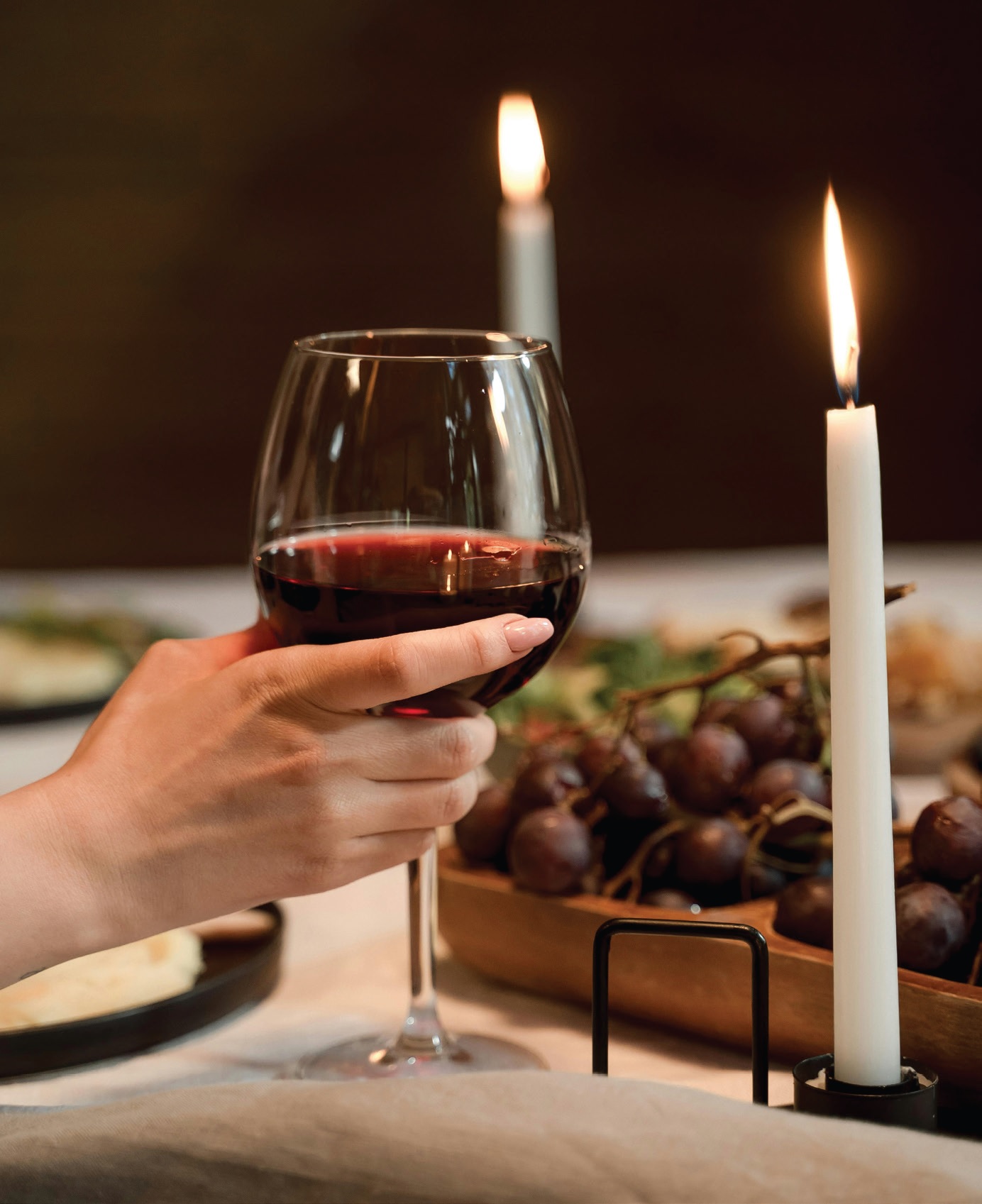
Valentine’s Day is about emotion, and atmosphere drives emotion. Lighting, music, table spacing, and décor all matter more than usual. The goal is not to overdecorate but to be intentional. Candles, softened lighting, curated playlists, and clean table settings go a long way. Even modest restaurants can elevate the experience by paying attention to sensory details. Guests may forget exactly what they ate, but they will remember how the room made them feel.
This is also where beverage programs shine. Champagne, sparkling wine, specialty cocktails, and non-alcoholic celebratory drinks increase check averages while reinforcing the occasion. A thoughtfully designed beverage pairing or welcome toast sets the tone from the moment guests sit down.
Simplify Decisions for Guests
Valentine’s Day guests do not want to think too much. They want guidance. Menus that are easy to understand, servers who confidently explain options, and clear progression throughout the meal remove anxiety. Offering a single dessert for sharing, for example, reduces kitchen strain and enhances the romantic narrative. Suggestive selling should feel helpful, not pushy. When guests feel taken care of, they spend more naturally.
Think Beyond One Night
The most successful operators treat Valentine’s Day not as a single event, but as a relationship builder. Collect emails with reservations, encourage follow-up visits, and create moments worth remembering. A handwritten card, a small takeaway dessert, or a thank-you message after the visit extends the experience beyond the meal. These gestures cost little and build long-term loyalty.
Execution Is the Difference
Valentine’s Day does not reward creativity alone—it rewards discipline. The restaurants that win are not necessarily the flashiest; they are the most prepared. They respect the guest, respect their team, and respect the complexity of the night. When menus are focused, pricing is confident, staff are trained, and operations are controlled, Valentine’s Day becomes an opportunity rather than a risk.
In a business defined by thin margins and high pressure, few nights offer as much upside. The key is remembering that romance in the dining room starts with clarity in the back of the house. As always, please feel free to email me with any topics, questions, emerging trends, or challenges you would like me to explore—so we can research, strategize, and succeed together.
Peter Kambitsis, co-founder of Kambitsis Group, has created successful businesses throughout the U.S. and Greece. Reach him at peter@kambitsisgroup.com.