Taking Over an Existing Restaurant
Posted by estiator at 10 October, at 16 : 59 PM Print
KNOWLEDGE IS POWER By Peter Kambitsis, Entrepreneur
The business you buy is not always the business you get.
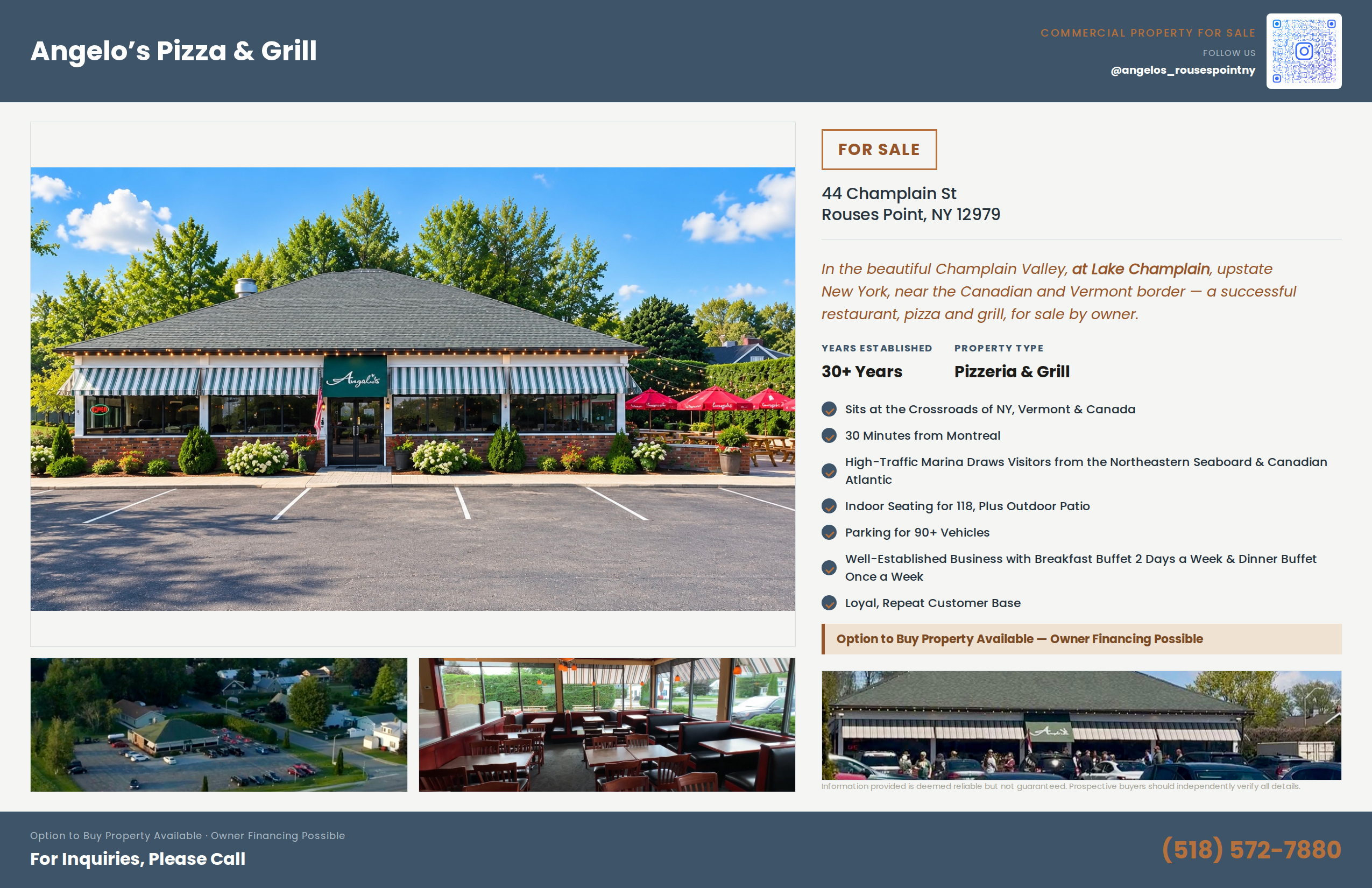
As a restaurant operator and consultant, I have learned that opening a restaurant from scratch and taking over an existing restaurant are two completely different challenges. I am in that process myself as I type this.
When you build from the ground up, you start with a blank canvas. You choose the concept, menu, employees, systems, vendors, culture, and standards.
When you take over an existing restaurant, you inherit everything. You inherit the good employees and the bad ones. You inherit vendor relationships, customer expectations, operational habits, equipment problems, online reviews, menu decisions, and, most importantly, the existing culture. That is why I tell operators: The restaurant you buy on paper is rarely the restaurant you actually inherit.
Financial due diligence is obviously critical. Before taking over any restaurant, you need to understand sales, payroll, food costs, rent, utilities, insurance, vendor balances, equipment leases, licenses, and every other financial obligation. But numbers only tell part of the story. The real due diligence begins when you start operating the restaurant. Suddenly, you discover which refrigerator has been repaired five times. You learn which employee has been holding the operation together and which employee has been creating problems. You discover that certain menu items sell but don’t make money. You realize that procedures you assumed existed were never documented. These are the hidden liabilities of restaurant acquisitions.
One of the biggest mistakes an operator can make is changing everything immediately. When taking over an existing restaurant, my first instinct is to observe. Watch the kitchen. Watch the dining room. Watch how managers communicate. Watch how employees react when the restaurant gets busy. Most importantly, listen to the customers. There is usually a reason people have been coming to that restaurant. Before changing the business, understand what guests already love about it. You don’t want to destroy goodwill while trying to improve operations.
At the same time, you cannot become afraid of change. Once you understand the operation, you have to establish standards quickly. This is where leadership becomes critical. Employees are watching new ownership carefully. They want to know what is changing, who has authority, what will be tolerated, and whether the new leadership is serious.ν
Ambiguity creates problems. I believe expectations should be clear from the beginning. Punctuality matters. Uniforms matter. Cleanliness matters. Proper portions matter. Guest interaction matters. Accountability matters. The small things eventually become the big things. When standards are inconsistent, employees create their own standards. Once that happens, you are no longer operating one restaurant. You are operating twenty different versions of the restaurant depending on who is working.
Culture is usually the hardest part of a takeover. You can change a menu in a week. You can replace furniture. You can install a new POS system. You can renegotiate vendors. Changing culture takes much longer. Existing employees have already developed relationships, habits, alliances, and expectations. Some will embrace the new direction. Others will resist it.
I have learned not to judge everyone too quickly. Sometimes an average employee becomes excellent once given structure and leadership. Other times, someone who appeared indispensable becomes the biggest obstacle to change. Give people the opportunity to succeed under the new standards. Then watch what they do. The employees who adapt, take responsibility, and embrace accountability are usually the people worth investing in. Those who constantly fight the direction of the business eventually make the decision for you.
Don’t change something simply because you didn’t create it.
Another lesson is that you cannot successfully take over a restaurant from an office. Leadership must be present. During a transition, owners and senior managers need to spend time on the floor, in the kitchen, at pre-shift meetings, and talking with guests. You need firsthand information. If everything you know about the restaurant comes through reports and managers, you are operating through somebody else’s interpretation of reality. Presence also sends a message to employees. They see that ownership cares. They see the standards being reinforced. They understand that this is not simply a financial investment.
One of the most difficult decisions during a takeover is determining what to keep and what to change. My philosophy is simple: Don’t change something simply because you didn’t create it. If something works, keep it. If an employee is excellent, develop them. If customers love a dish, think carefully before removing it. If a vendor provides quality products at fair pricing, there may be no reason to replace them. Your ego cannot become part of the decision-making process.
At the same time, legacy cannot become an excuse for poor performance. “This is how we’ve always done it” is one of the most dangerous sentences in business. Every process should eventually have to justify itself.
Taking over an existing restaurant also requires patience with the financial results. There are usually transition costs. Repairs appear. Training increases payroll. Marketing needs investment. Menus change. Inventory gets cleaned up. Employees turn over. You may temporarily spend more money before the operation becomes more profitable. That is why adequate working capital is so important. Buying the restaurant is only the beginning. You must have enough capital to fix the restaurant.
The greatest opportunity in taking over an existing business is that you are not starting from zero. You already have customers. You already have employees. You already have revenue. You already have history. Your responsibility is to determine what deserves to survive and what needs to evolve.
I have found that successful restaurant turnarounds are rarely created by one dramatic decision. They come from hundreds of small improvements made consistently. Better purchasing. Better scheduling. Better training. Better communication. Better cleanliness. Better leadership. Better hospitality. Eventually those small improvements compound. The restaurant begins to feel different. Employees feel it. Customers feel it. And eventually, the financial statements show it.
Taking over an existing restaurant requires humility because you must respect what came before you. It requires courage because some things must change. And it requires discipline because change without systems rarely lasts. You are not simply buying four walls, equipment, and a liquor license. You are inheriting a living business with a history, reputation, culture, and community attached to it.
Respect the history. Study the operation. Keep what works. Fix what doesn’t. Then build the restaurant into what you know it can become.
As always feel free to reach out with any questions or topics you want me to look into.
Peter Kambitsis, cofounder of Kambitsis Group, has created successful businesses throughout the U.S. and Greece. Reach him at peter@kambitsisgroup.com