How Greek Cuisine Finally Found Its Place in Boston
Posted by estiator at 16 April, at 21 : 32 PM Print
Greek food is having a moment: New restaurants are opening every year, and the cuisine has never been more visible across the city. By Theodora Tsevas
In the 1920s and early 1930s, Greek immigrants owned more than 350 restaurants in Boston. For a few decades, Greek food was everywhere. Then, slowly, that presence faded, absorbed into a broader Mediterranean identity, softened to appeal to a market that wasn’t quite ready to receive it fully.
Today, the picture looks very different. Greek restaurants have been gaining ground across the city and its suburbs, from the South End to Walpole, drawing diners who now arrive with a vocabulary they didn’t have 10 years ago: proper feta, Vlach cuisine, grilled whole fish, wines from the Greek islands. The conversation around Greek food in Boston has changed. And the people who changed it know exactly how it happened.
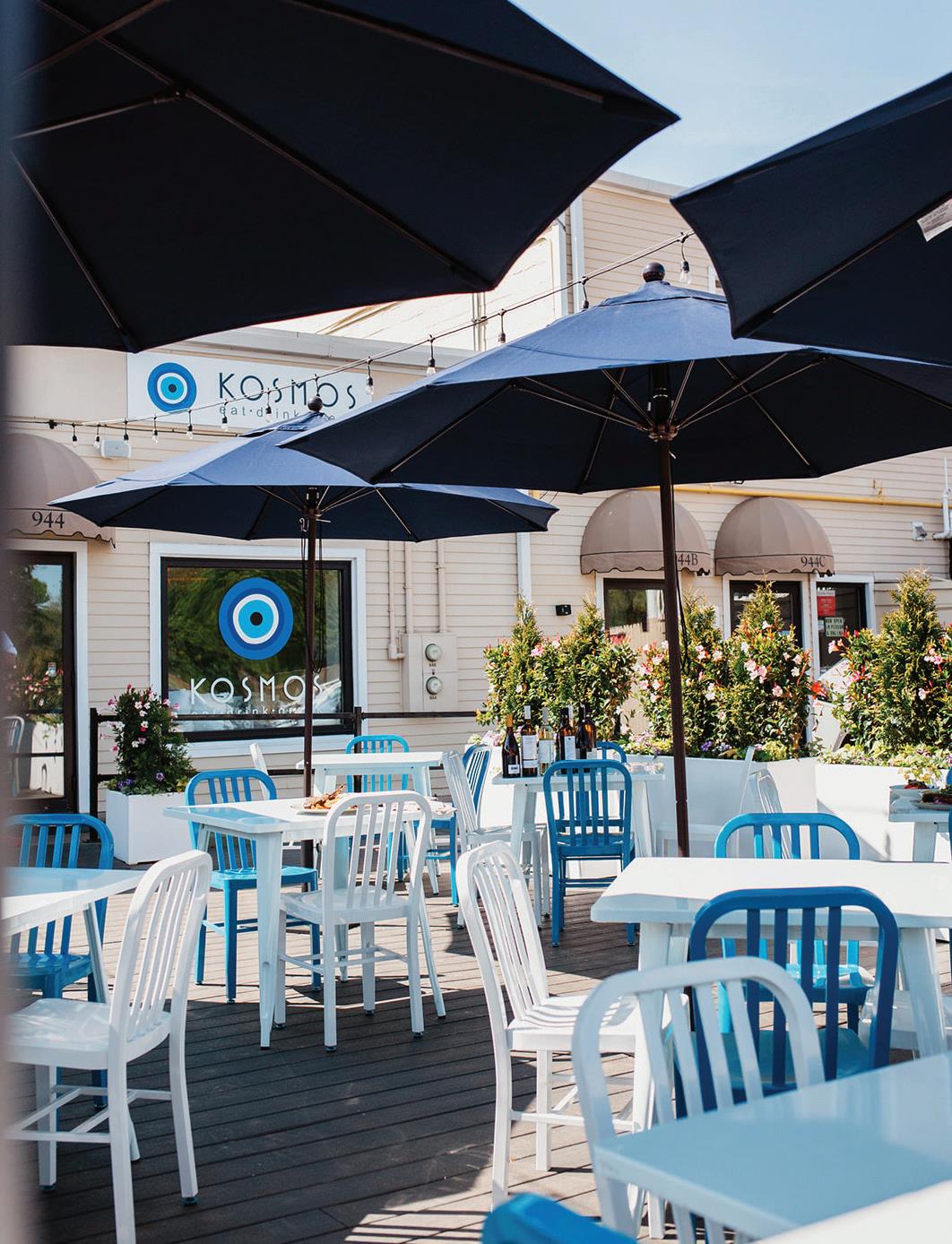
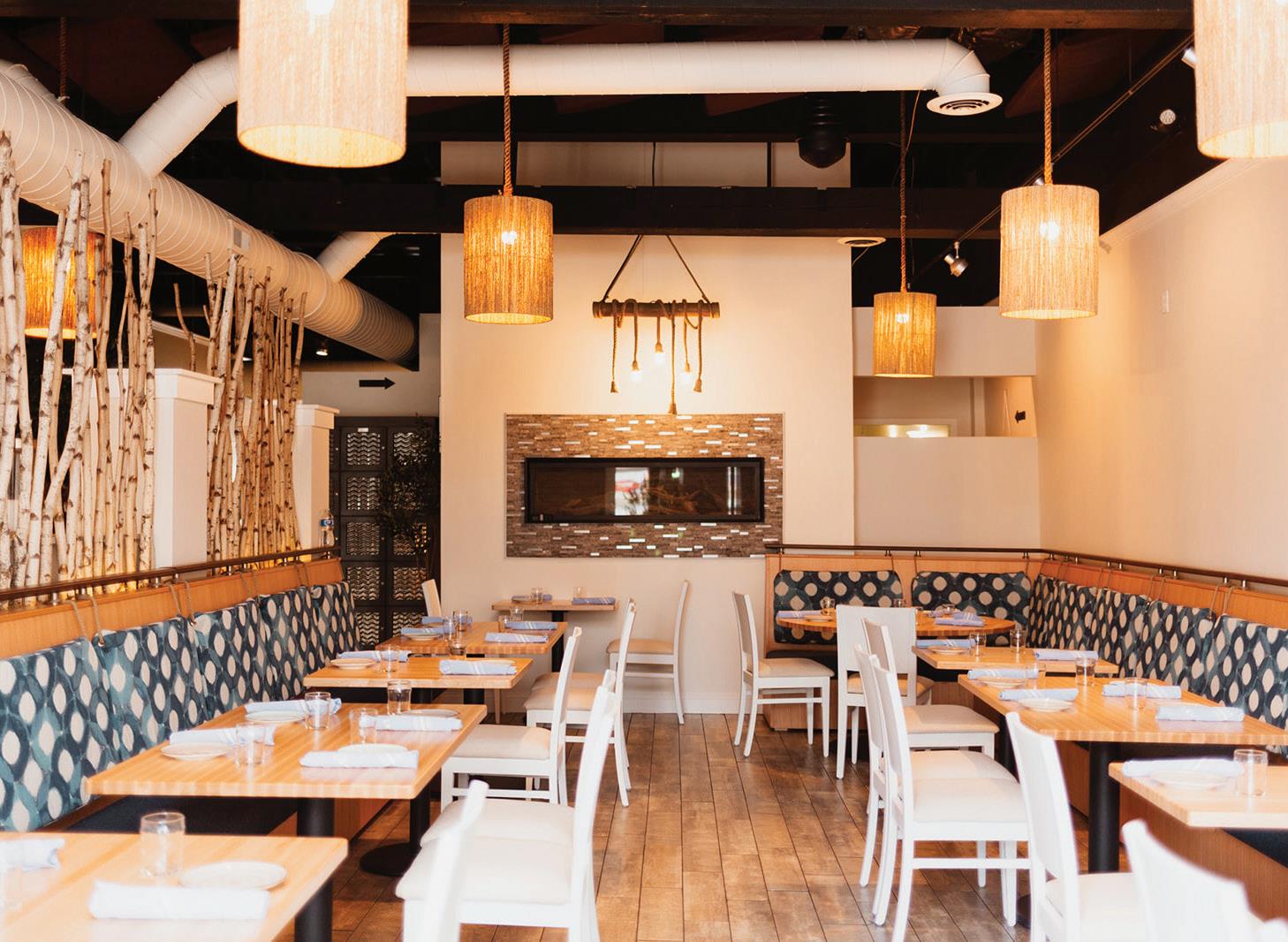
Angelos Petropulos, chef and co-owner of Kosmos in Walpole, Massachusetts, has watched this shift from the inside. When he first started working in Greek restaurants in Boston, the approach was cautious. “A lot of restaurants leaned toward a broader ‘Mediterranean’ identity,” he says. “The mentality was more cautious. But the foundation was there, and the community always had pride in its roots.”
You could feel the weight of that history even then, he adds. Greeks had been a dominant presence in the Boston restaurant industry for over a century. Even when it wasn’t visible on the surface, the tradition was there, waiting, as he puts it, for the next generation to build on it.
At the time, Greek food was often seen as casual or “ethnic” cuisine rather than serious cooking. But Petropulos never felt pressure to conceal the identity of what he was making. “Anyone who truly knows Greek cooking understands the depth behind it: the ingredients, the seasonality, the techniques,” he says. “The more confidently you present it, the more people appreciate it.”
As Greece became one of the world’s most-visited destinations in the 2010s, something shifted in Boston diners’ appetites. They were coming home from trips with a different relationship to Greek food, one formed not in a restaurant but in a small taverna at a table 10 feet from the Aegean. They remembered the grilled octopus, the dips, the slow-cooked stews, food made with meraki. The simplicity that registered as sophistication. For many, it was the first time they understood what Greek food actually was.
“Many people from Boston travel to Greece regularly,” says Petropulos. “They come back remembering the grilled fish by the sea, the salads with incredible olive oil, and the simplicity of the food. Naturally, they start looking for that same experience here.”
The demand grew. And Greek cuisine, as it turned out, was already aligned with where American dining culture was heading: sharing plates, fire cooking, vegetables, olive oil, the fundamentals of a tradition that had existed for generations before anyone called it a trend. “In many ways,” he says, “the world simply caught up with the Greek way of eating.”
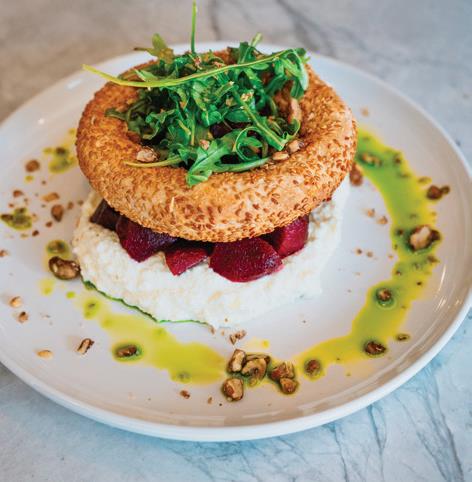
The pandemic accelerated things further. When restaurants reopened, diners came back craving food that felt honest and communal. The years of lockdowns had stripped away the appetite for performance and spectacle. What people wanted was something grounded—food tied to a place, a culture, a table. Greek cuisine, built around exactly those values, fit that moment well. “The pandemic reminded people what food is supposed to feel like,” says Petropulos. “Comforting, real, and shared. Greek cuisine is very human in that sense.”
New York, too, played a role in shaping the market. Milos, the upscale Greek seafood institution, helped reposition Greek cuisine in the American imagination, making it visible, desirable, and aspirational. It demonstrated that Greek food could occupy the same space as any other serious cuisine, and for years, it largely stood alone. Other restaurants eventually followed, and what Milos had established in New York rippled outward to cities like Boston, where a new generation of restaurateurs was watching closely and building something of their own.
The boom has not come without complications. As Greek cuisine becomes more popular, interpretations multiply, and not all of them hold up. The deconstructed pastitsio. The “Greek-inspired” menu that has little to do with actual Greek cooking. The village salad, reinvented to fit a different context and a different clientele. The more popular a cuisine becomes, the easier it is to lose what made it worth seeking out in the first place.
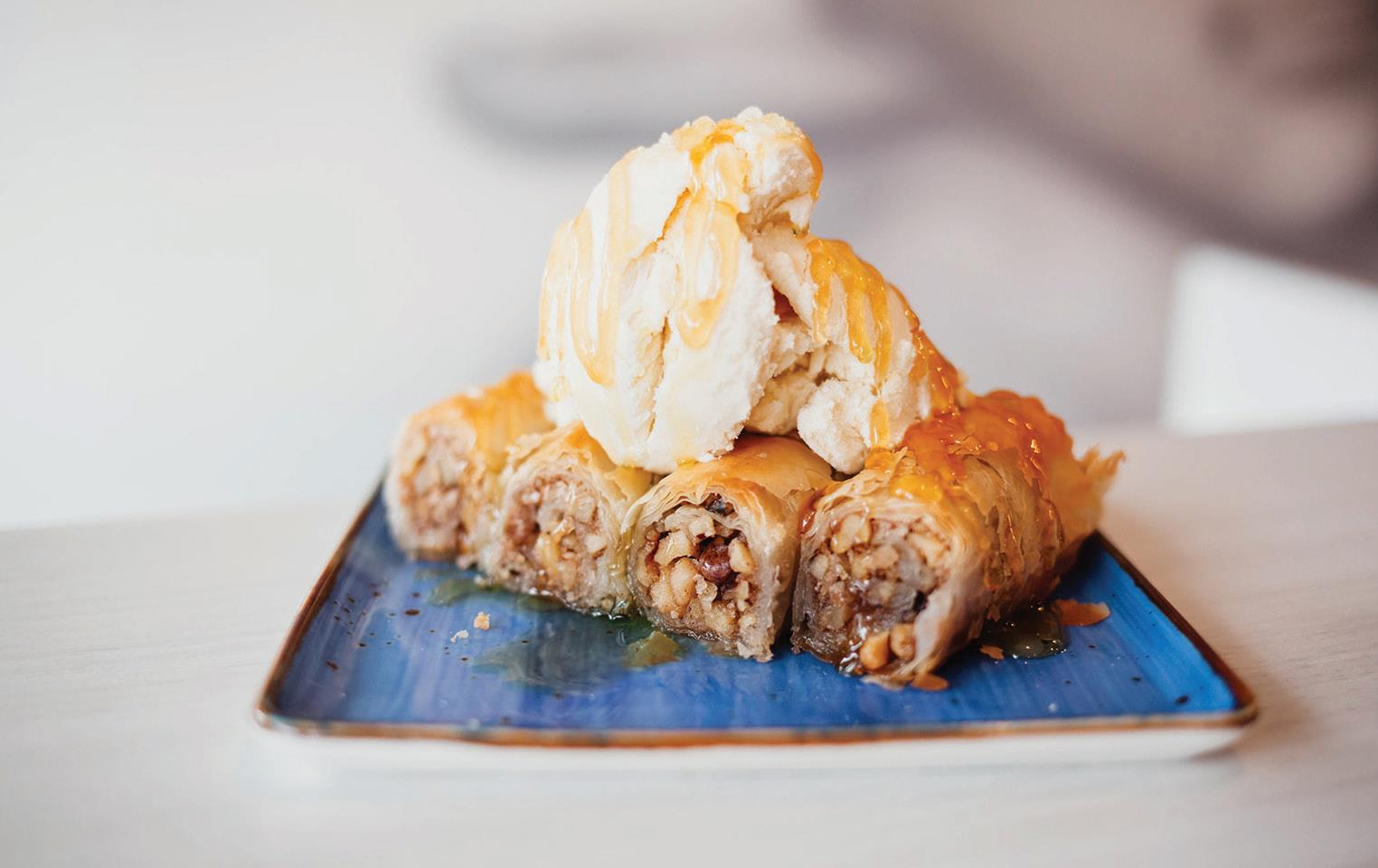

Christos Bisiotis, a Greek-American consultant chef working in the United States, has been watching this closely and with a degree of concern. “Greeks came and many times adapted to fit American gastronomy,” he says. “They changed some things which may not even resemble authentic Greek cuisine. A village salad, for instance—they make it differently.” New ideas in Greek cuisine are welcome, he adds, but there is a limit. When something completely authentic gets altered in the name of appearing creative, that is where oversaturation begins. His argument is simple: The grandmother’s recipe exists for a reason. “It’s good to stick to our roots,” he says.
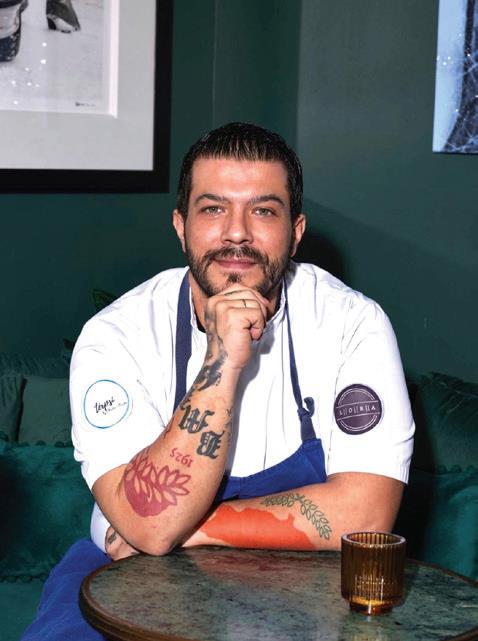
Petropulos sees it differently. He believes the tradition is strong enough to hold, that Greek cuisine is built on authenticity, great ingredients, and a cultural identity deep enough to survive its own popularity. The goal, he says, is to respect those roots while allowing creativity to evolve naturally, not to perform it. The difference between the two is usually obvious on the plate.
Petropulos also credits a force that rarely makes it into the story of Greek cuisine’s international rise: the economic crisis. When Greece’s financial collapse drove a generation of trained chefs and hospitality professionals abroad, it seeded kitchens across Europe and North America with people who had both the skill and the motivation to do something meaningful. They carried with them a deep knowledge of their own culinary tradition and a determination to represent it properly. “That wave of creativity helped push Greek cuisine forward internationally,” says Petropulos. Boston, he argues, is now part of that story.
The question is whether this moment becomes permanent. Whether the restaurants that have built something real can protect it as the market grows noisier around them. Whether the diners who came back from Greece with a craving will keep demanding the real thing. The history of ethnic cuisines in America is full of examples of traditions that peaked and then collapsed under the weight of their own success.
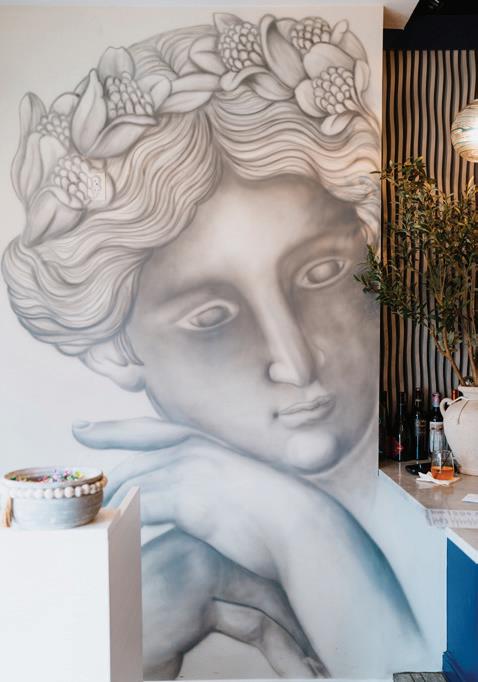
Petropulos doesn’t frame it as a trend. “I don’t see Greek cuisine in Boston as a trend,” he says. “I see it as something that has matured. Greek food, culture, and hospitality have found a new voice here, and I think it will continue to grow for many years.”
A Boston restaurant-goer in 2026 understands Greek food in ways that a Boston restaurant-goer a decade ago did not. They recognize good feta. They have opinions about olive oil. They know that Greek wine is not an afterthought. That education happened slowly, through travel, through restaurants, through a cultural moment that positioned Greek food as exactly what it always was: serious, ingredient-driven, deeply human cooking.
A century after Greek immigrants built this city’s restaurant trade and watched it recede, the inheritance has been claimed. Whether the next generation of chefs can protect what makes it worth protecting—the restraint, the regionality, the refusal to perform—is still being written. But on the evidence so far, they know what they’re doing.