The Michelin Guide Came to Boston. Why Didn’t Greek Cuisine Make the Cut?
Posted by estiator at 15 January, at 19 : 23 PM Print

Restaurateur Demetri Tsolakis talks to Estiator about what the guide’s methodology overlooks about hospitality, and whether star recognition is worth pursuing at all. By Theodora Tsevas
When Michelin inspectors arrived in Boston for the first time in 2025, they had three months to map a city’s dining scene that locals had spent decades building. By November, they’d picked their favorites: one starred restaurant—311 Omakase in the South End—a handful of Bib Gourmands, and not a single Greek establishment among them. In a city where Greek restaurants had earned James Beard nominations and Condé Nast acclaim, the absence raised questions about what it takes for Greek cuisine to break through.
Demetri Tsolakis wasn’t surprised. The restaurateur behind Xenia Hospitality, a 250-employee restaurant group that runs Bar Vlaha, Krasi, Greco, Kaia, and Hecate, has spent years watching Greek food struggle for recognition in American fine dining. “Where is Greece on the world map?” he says. “We are not known for our regional foods. It takes some time and education.”
The omission highlights a broader challenge: Greek cuisine, as old and sophisticated as Italian or Spanish cooking, struggles for the same recognition in American fine dining. Italian restaurants have claimed Michelin stars across America for decades. Spanish cuisine rides decades of international acclaim and culinary innovation. Greek restaurants remain largely unseen by the guide, facing persistent assumptions about what Greek food should be.

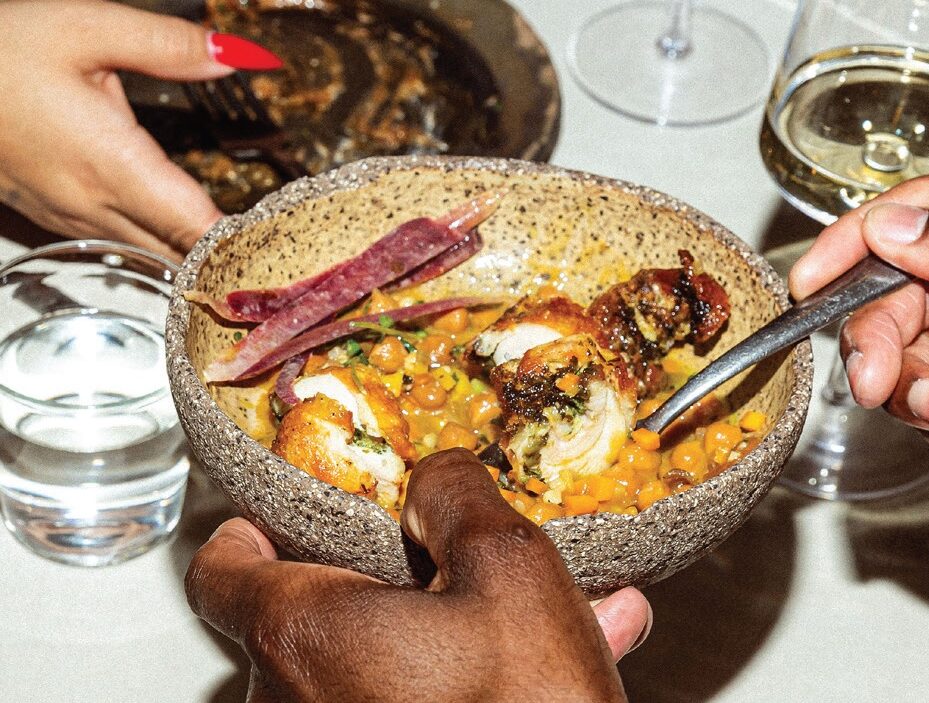
American diners and critics often reduce Greek food to a handful of familiar dishes—tzatziki, souvlaki, grilled fish—overlooking the diversity and technical sophistication that define the cuisine. Tsolakis and his team have spent years excavating those traditions, particularly from the Vlachs, shepherd cultures whose cooking methods are now trendy in contemporary restaurants but remain unknown to most Americans.
“Greek food has come down to be zucchini, pastitsio, and traditional taverna-style food,” he says. “They don’t know the true Vlach cuisine, beef with prunes, eating a whole trout rather than sea bass, galotiri instead of tzatziki.”
At Kaia, they only serve wines from Aegean islands, tracking down bottles from the islands of Serifos and Paros that took months to source. At Bar Vlaha, they serve Constantinople-style salad with cabbage instead of the expected Greek salad with California tomatoes that don’t taste right out of season. It’s exactly the kind of local authenticity and seasonal focus Michelin says it values, yet recognition has remained elusive. “Some say we are not authentic,” Tsolakis says. “But I can’t serve a Greek salad with California tomatoes that don’t taste good. We stick to local seasons and do the best we can.”
It’s a tension Tsolakis has noticed: Greek chefs innovating within their tradition sometimes face questions about authenticity, while similar approaches in French or Italian kitchens get framed as creative evolution. Some cuisines have found it easier to be seen as contemporary, while others remain associated with a nostalgic past that never fully existed.
Beyond questions of authenticity, there’s another challenge: Michelin’s methodology itself may be out of step with what Greek hospitality offers. The guide focuses almost entirely on the plate while ignoring everything around it. “Michelin only looks at translation of menu into experience,” he says. “I wish Michelin was also service-oriented, because a lot of our mission is philoxenia. The experience of eating out is not just taste but also feeling, connected and cared for.”
Philoxenia—the Greek concept of hospitality that treats guests as sacred—doesn’t fit neatly into Michelin’s technical measures. Neither does the storytelling part of Greek dining, where a dish’s emotional pull is tied to where it comes from and what it means.
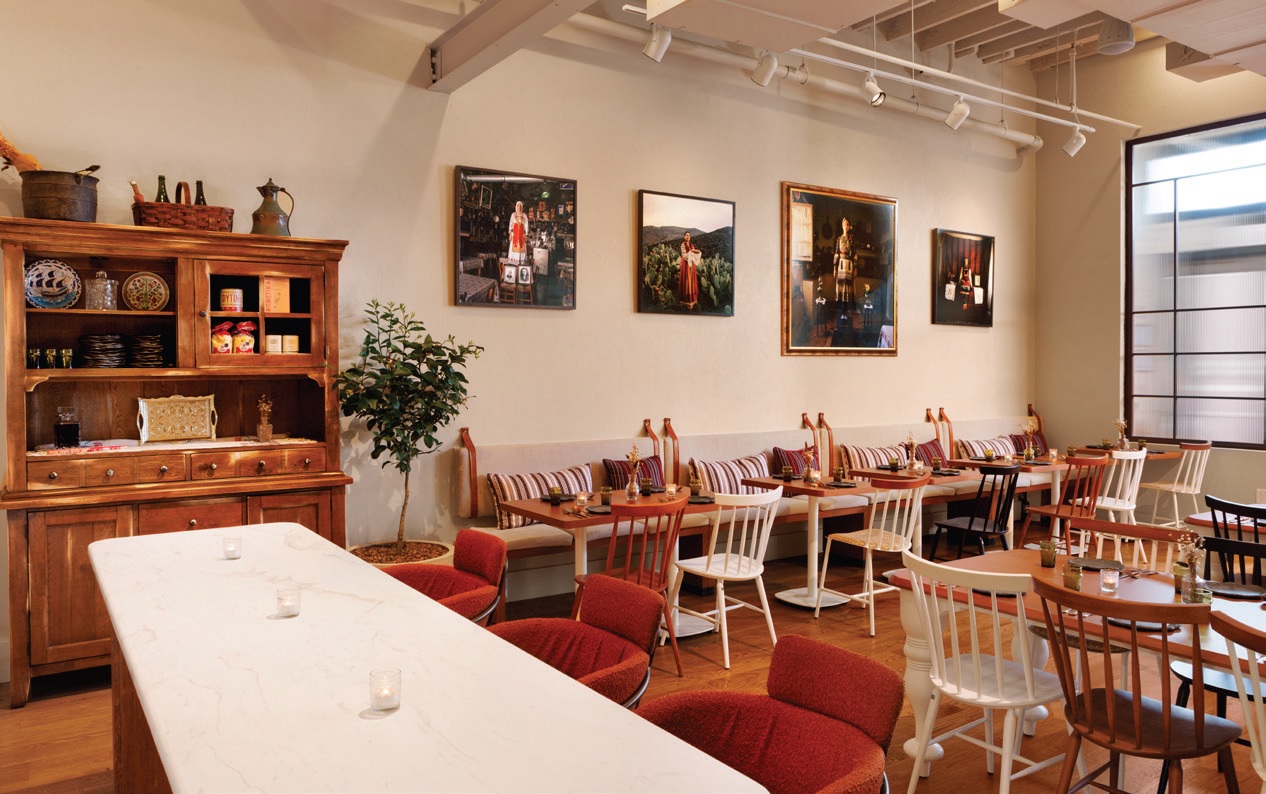
“It’s not what you are being served, but how you are being served,” Tsolakis says. “The emotion in that dish comes with the storytelling of it as well, and the service. They miss out on a lot because of this.”
The philoxenia problem is just one piece of a larger puzzle. Boston’s broader Michelin results didn’t help. The city received one star in its first guide, while Philadelphia, also new this year, received three. This has raised questions about whether Boston qualifies as a serious food city, something Tsolakis found strange given New England’s ingredients.
“I am not sure why people have this perception that Boston might not be a major food city,” he says. “New England has great seafood in the U.S. Where are you gonna find better lobsters, clams, or oysters?”
But he acknowledges real obstacles: high costs, housing prices that push good cooks to the suburbs without easy transit, neighborhoods where dining is more about entertainment than food. “If you want to have the best chefs and they live 30 minutes outside of the city and they don’t have a car to get in, how are they going to make ends meet?”
Still, Tsolakis remains hopeful. “I think you will see one of our restaurants featured in Michelin very soon,” he says. “From our end it motivates us more to get the story out, to really highlight what makes us different.”
His plan doesn’t involve chasing Michelin on its terms. Instead, he’s focusing on what makes Greek cooking distinct: the stories, the philoxenia, teaching guests about traditions, the commitment to ingredients and technique. “We want to be pioneers of Greek food in Boston,” he says. “Pioneers in Greek concepts that tell the story of Greece. And not just where you are gonna find good souvlaki.”
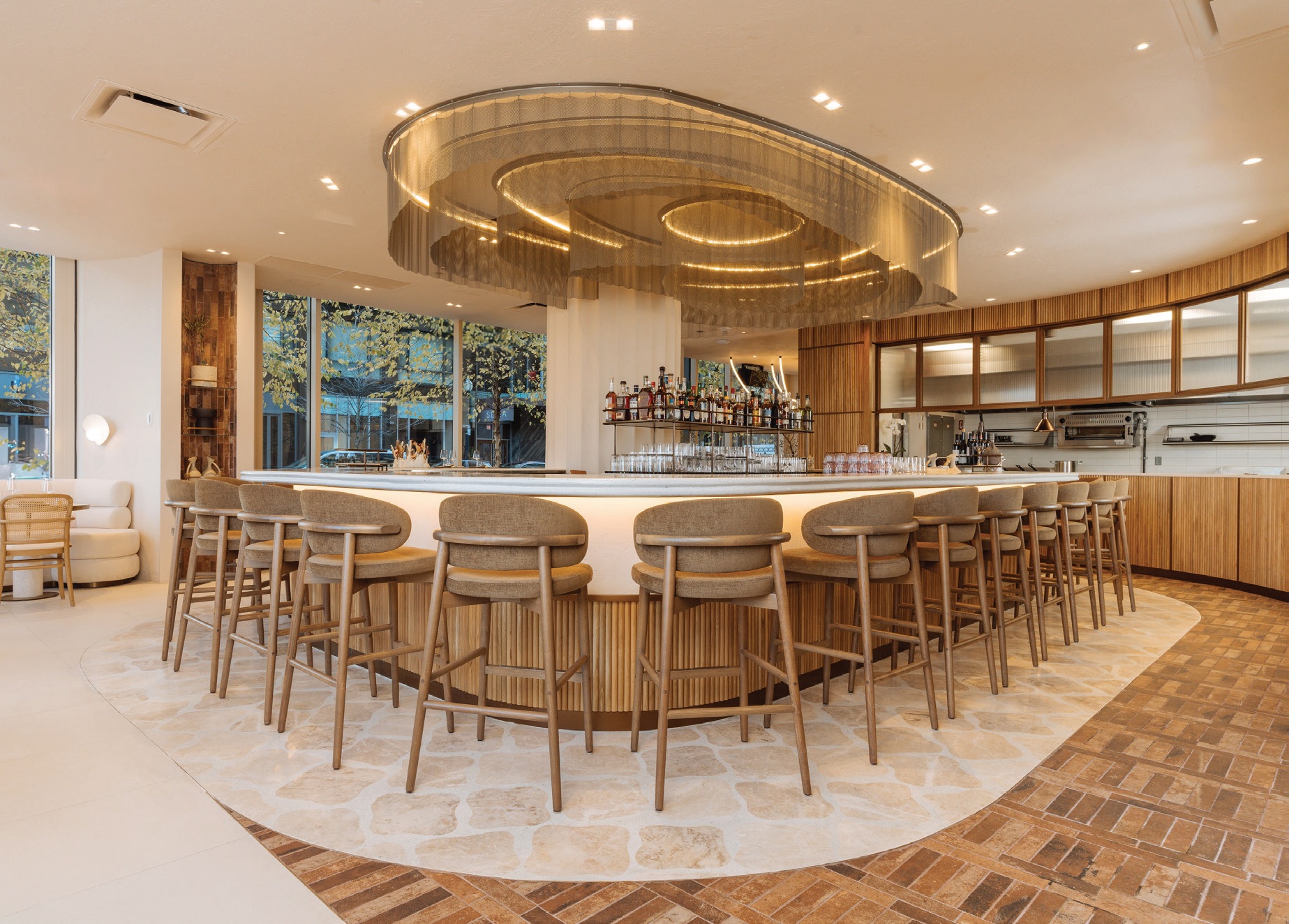
But being a pioneer takes money, patience, and accepting that official recognition might lag behind actual quality. Tsolakis pointed to Xenia Hospitality’s James Beard nominations and Condé Nast recognition as proof that the food world beyond Michelin already sees what his restaurants are doing. “Personally, the reviews of our customers, our guests are what matters more to us,” he says. “I don’t think Michelin can dictate whether it is a good restaurant or not. Only you can control your success.”
Yet Michelin clearly shapes perception, drives tourists, and determines which cuisines get taken seriously in fine dining, which is precisely why Tsolakis questions whether its recognition is even worth pursuing. The pressure to earn stars, he argued, can distort what restaurants should actually be about. “I don’t think the star, or the dollar sign should define the experience,” he says. “It takes the purpose away from why we make restaurants.”
That approach, refusing to chase approval on Michelin’s terms, might be Greek restaurants’ most powerful position. If the guide’s standards miss what makes Greek hospitality excellent, maybe the answer isn’t adaptation but building other ways to measure success.
Other Mediterranean cuisines, Tsolakis notes, achieved recognition more easily because they were more approachable and familiar to American diners. But approachable often just means familiar, cuisines that already dominated American fine dining decades ago.
Greek food faces a choice: chase that familiarity by smoothing out its distinctive character and hospitality focus or keep its distinctiveness while building credibility through other channels until Michelin catches up.
Tsolakis has picked the second path. “The roots of Greek food are in places like the Vlachs and our regional traditions,” he says. “We will continue to tell our story, and Michelin will catch on.”
That confidence—that Michelin will eventually come around rather than Greek restaurants needing to change—may be the boldest stance of all. It suggests the challenge isn’t the cuisine itself but how it’s perceived. Until that perception shifts, Boston’s Greek restaurants will keep doing what they’ve always done: cooking food that matters to them, whether the guide notices or not.