Beyond Blue and White
Posted by estiator at 15 March, at 17 : 20 PM Print
COVER STORY
Next-gen restaurant designs offer a cool, confident take on tradition.
By Michael Kaminer
Even for consumers with zero knowledge of Hellenic culture, blue and white signifies Greece. As a result, Greek restaurants have mimicked the galanólefki—the Greek flag—as an easy way to telegraph their menus. But a new generation of estiators is moving beyond traditional restaurant design to convey a cool, confident new sense of Greek culture—and a rebooted, refined cuisine that goes with it. While they may draw from familiar sources, these estiators are finding exciting ways to evoke Greece in a modern way—and to keep customers engaged and inspired at a time of fierce competition.
At Delos Greek Restaurant, the new fine-dining destination from Estiator cover stars Carnegie Hospitality, its namesake island sparked its open, airy design—but in an unexpected way. “There is often an assumed visual language tied to Greece: white plaster, stone, arches, coastal colors, and an overall feeling of sun and air,” says Enkela Malellari, the architect who worked with partners Stathis Antonakopoulos, Peter Xenopoulos, and Labros Pyrgiotakis on the restaurant’s design.
“If those cues are missing entirely, the space can feel disconnected from the cuisine,” she says. “At the same time, leaning too heavily into literal theming can make the experience feel staged rather than authentic. For Delos, the design tries to meet those expectations at a sensory level rather than a decorative one. The goal is for guests to feel transported in mood rather than confronted with obvious symbolism.”
Kaia, Boston
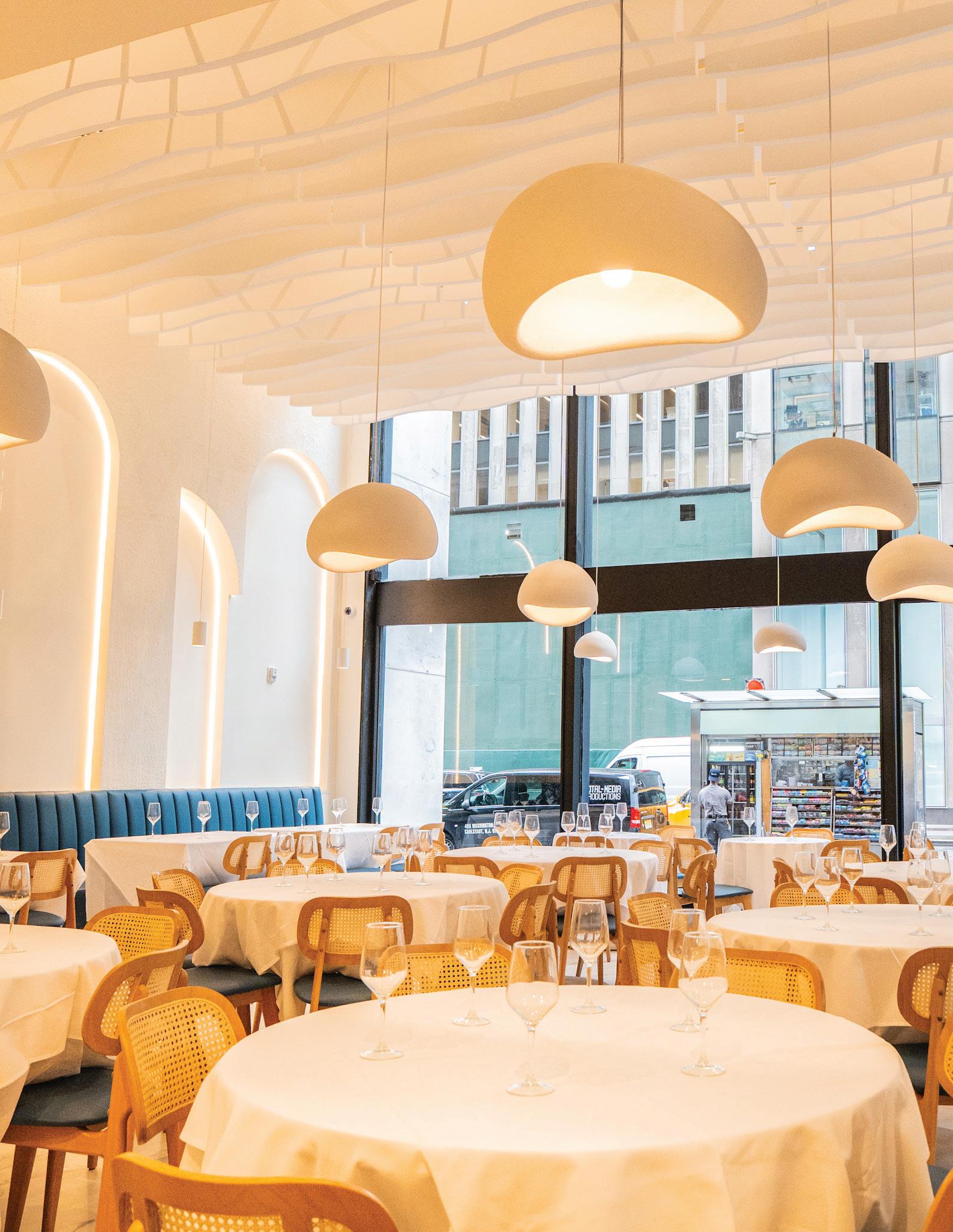
At Delos, the design “draws from a layered interpretation of the Greek island experience—not as literal replication, but as an editorial translation of place, light, and atmosphere into a contemporary urban dining setting,” Malellari says. “It draws primary inspiration from the Cycladic Greek islands—particularly the interplay of whitewashed architecture, carved openings, and the softness of Aegean light. Arched wall niches reinterpret traditional island apertures, while concealed perimeter lighting creates a halo glow reminiscent of sunlight washing across plaster at golden hour.”
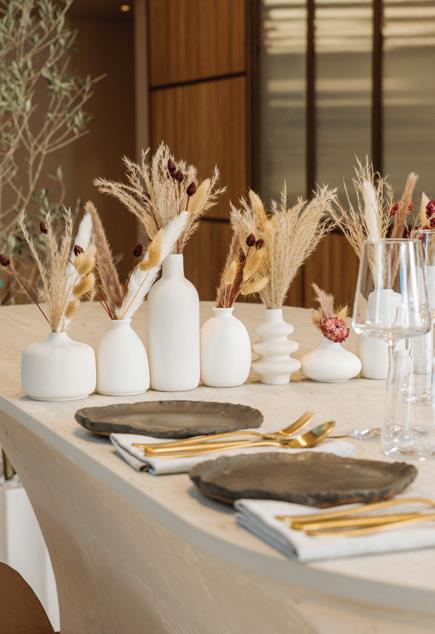
Mood, rather than a literal interpretation of Greece, was also the aim at Kaia, the Aegean-inspired hotspot from Estiator cover star Demetri Tsolakis, CEO of Boston’s Xenia Greek Hospitality. “Kaia’s design was inspired by the Greek islands, but not in the obvious way,” Tsolakis tells Estiator. “We weren’t trying to recreate a postcard version of Greece. The goal was more about capturing a feeling, that calm, sun-washed, effortless Aegean energy and translating it into something that feels modern and lived-in in Boston.”
Much of Kaia’s design “comes from memories of coastal Greece: whitewashed surfaces, soft shadows, natural textures, and spaces that feel bright during the day but warm and intimate at night,” Tsolakis explains. “We wanted it to feel transportive but still grounded and sophisticated.” Though some customers “still associate Greek restaurants with blue and white, murals, and a very literal island look, I think guests are also ready for something more modern and more authentic,” Tsolakis says. “We wanted to respect the heritage without falling into cliché. Kaia is Greek, but it’s not themed. It’s more like: If you could take the feeling of Greece and build it into a contemporary restaurant, what would that look like?”
For the Avli restaurant group, which spans five locations in Chicago and Wisconsin, connecting with Greek roots meant looking inward, says its designer, Nike Demacopoulos of Gold Coast Interiors in Chicago. “The inspiration began with the meaning of the name itself—‘Avli,’ which means courtyard in Greek,” she says. “I kept coming back to that image of a sun-washed courtyard somewhere in Greece, where time feels slower and conversations stretch effortlessly into the evening. Instead of recreating a specific island or village, I wanted to capture a feeling, the warmth of long meals, whitewashed walls glowing in the sunlight, natural textures under your fingertips, and the unmistakable sense of hospitality you feel when you’re welcomed into someone’s home in Athens. It was never about being thematic; it was about evoking Greek hospitality.”
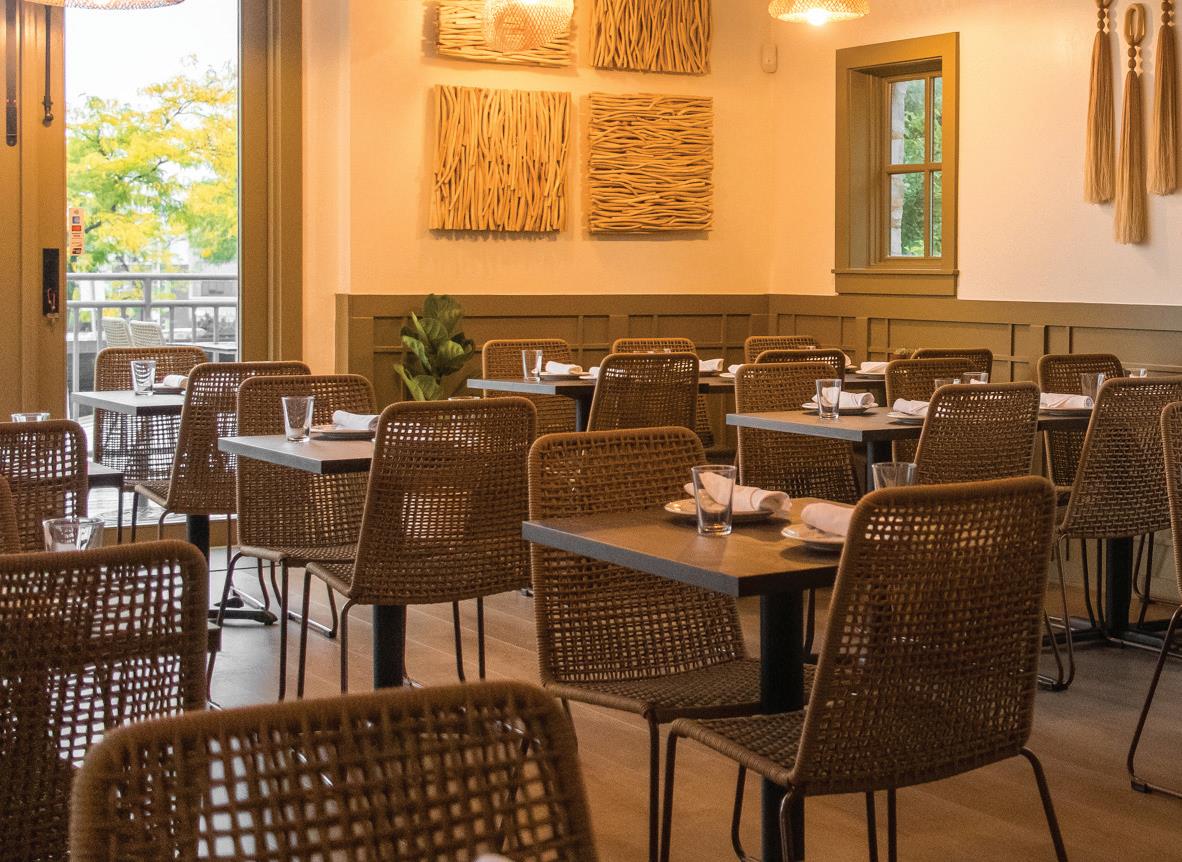
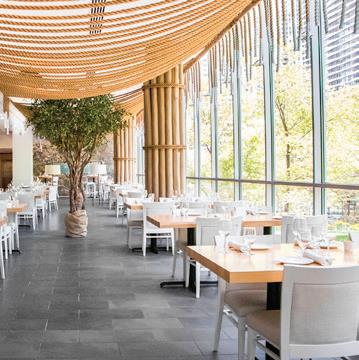
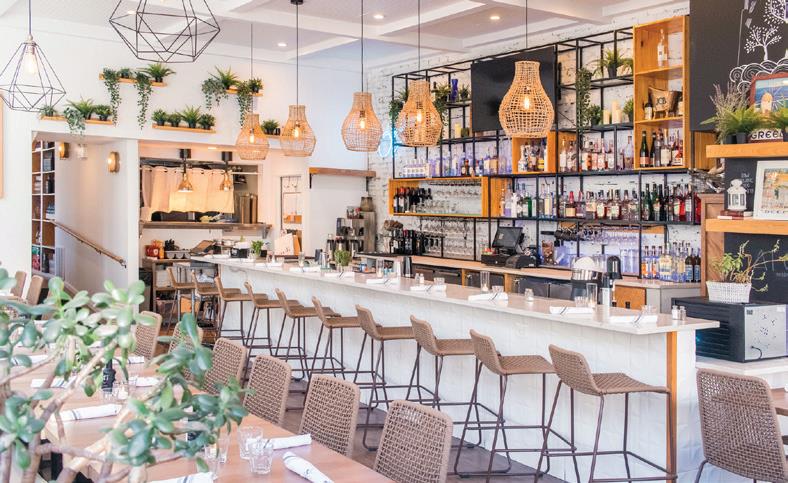
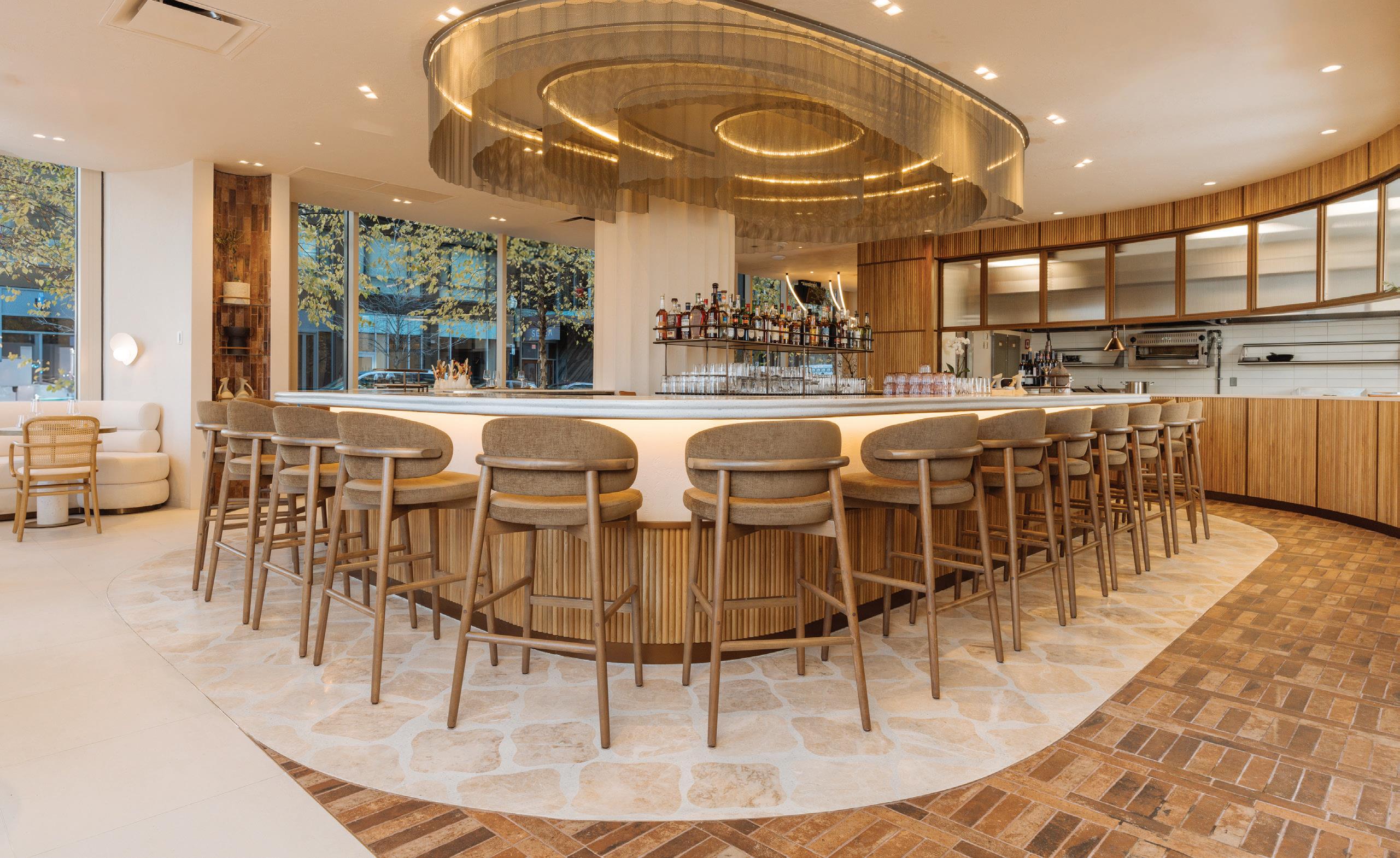
While consumers bring expectations around design, like “white and blue tones, coastal elements, rustic textures, I think it’s important to acknowledge those visual cues so guests immediately understand the cultural context, but I don’t believe in leaning into clichés,” Demacopoulos says. “Instead, we reinterpret familiar elements in a more refined, contemporary way. For me, the magic is in the balance, giving people something recognizable, but presenting it in a way that still feels fresh and thoughtful.”
These modern Greek restaurants achieve their singular looks through artful and thoughtful choices of materials and lighting. “The design really comes together through the way materials, form, and lighting work off each other,” says Malellari, the designer of Delos Greek Restaurant in New York. “The marble floors ground the space and give it a sense of permanence, while the lime-washed plaster walls soften everything with that sun-washed texture you associate with the Greek islands. Warm oak millwork and woven cane seating keep the room from feeling too formal and bring in a layer of craft and comfort.”
Lighting also plays a key role, she says. “Lighting was meant to feel atmospheric rather than decorative. The concealed LEDs within the arches create a gentle glow that highlights the curves and gives the space that golden, late-afternoon warmth,” Malellari says. “Table lighting stays intimate without competing with the overall ambience. The arches are one of the most defining elements—they set the rhythm of the room and reference traditional Greek architecture without feeling literal. Above, the undulating ceiling adds movement and subtly nods to the sea. The custom wine racks are integrated into the millwork so they read as part of the architecture, not an add-on—reinforcing the social, celebratory role wine plays in the dining experience.”
At Xenia Greek Hospitality’s Kaia, in Boston, a less-is-more approach helped create the mood—a contrast to the over-the-top approaches of some restaurants. “The most important elements are the textures and the restraint,” says Tsolakis, the group’s CEO. “We focused on materials that feel natural and tactile, plaster-like finishes, warm wood tones, stone, linen-like softness and things that make the room feel calm and human. The arches are a nod to traditional Greek architecture, but used in a clean, contemporary way. They create softness in the space and help guide the flow without it feeling too rigid.”
Lighting “was also central from the beginning. The room needed to feel bright and airy during the day, but shift into something warmer and more intimate at night, almost like the way Greece feels when the sun starts to drop and everything turns golden.”
At Avli, the Chicago-based brand, natural materials take center stage in all locations, according to Demacopoulos, the designer. “Natural materials were absolutely foundational for us. I’ve always believed that texture tells a story, so we leaned into stone, pale woods, linen drapery and twisted rope to create warmth in the space,” she says. “The arches are especially meaningful, as they are a subtle reference to traditional Greek architecture but in a softer, more contemporary way. Lighting was equally important. We layered it carefully so the space evolves throughout the day.”
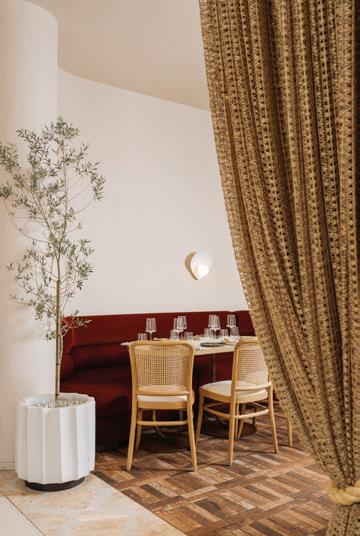
Lighting, in fact, also affects the customer’s relationship with the room, Demacopoulos says. “Lighting shapes everything!” she exclaims. “During the day, I wanted the space to feel airy and softly diffused, almost like natural sunlight spilling into a courtyard. As evening approaches, the light warms into a golden tone that flatters both the food and the guests. By night, it becomes intimate and layered, dimmable fixtures paired with natural candlelight. Greek dining is meant to be slow and social, and the lighting follows the rhythm. It gently signals that there is no rush—stay, order another glass, keep talking and enjoy time with friends and family.”
At Delos, “lighting is really what shapes how the restaurant feels the moment you walk in,” Malellari says. “Instead of using harsh overhead light, the goal was to create a warm, layered glow that makes the space feel relaxed and welcoming. The concealed lighting inside the arches washes the walls softly and brings out their shape, giving the room that gentle, sunset-like warmth you’d expect in a Mediterranean setting. At the tables, the light is kept more intimate so guests feel comfortable and connected to their own space without the room feeling dark. That balance between soft ambient light and focused table lighting helps the restaurant transition naturally from daytime brightness to a warmer, more atmospheric evening mood.”
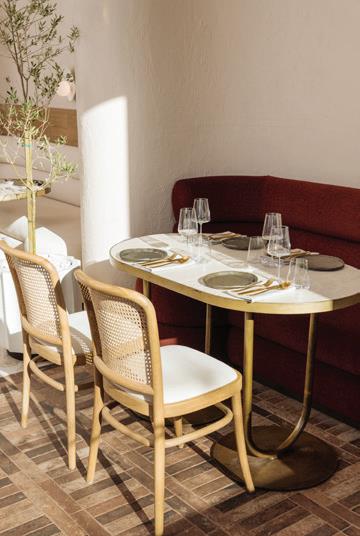
While Kaia, Avli, and Delos have been smash hits, their proprietors had to remain conscious of costs while conceiving design—and expect to remain vigilant about design costs for upcoming locations. “I think every operator is dealing with that right now. Costs changed constantly throughout the process, and you’re making decisions in real time,” says Tsolakis, the CEO of Boston’s Xenia Greek Hospitality. “The key for us was choosing where to spend and where to simplify. We prioritized the elements that define the experience, lighting, key textures, and the overall spatial feel and we were willing to value-engineer things that didn’t change how the guest experiences the room. The goal was never ‘cheap’; it was smart. Put the money where it matters.”
Likewise, Delos’ recent buildout meant “a few adjustments as costs continued to rise across labor and materials,” according to Malellari, the architect. “Long lead times for certain finishes and specialty items meant we had to stay flexible and sometimes pivot to comparable alternatives that could be sourced in a reliable timeframe. The focus wasn’t on changing the overall vision, but on being thoughtful about where the budget and schedule mattered most—simplifying some details while protecting the elements that really define the space, like the arches, lighting, and key millwork features.”
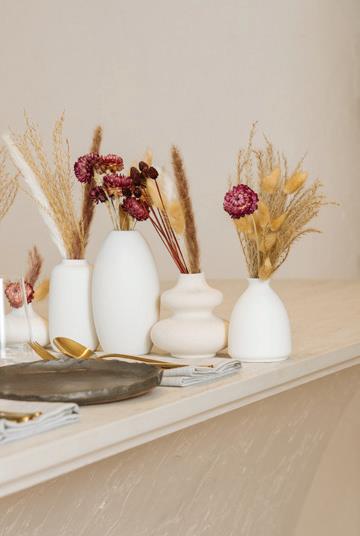
Ultimately, Malellari says, customers are craving warmth and authenticity—something Greek restaurants are uniquely positioned to offer. “Customers are responding to spaces that feel warmer, more tactile, and more natural. Materials like wood, stone, woven textures, and handmade finishes create a sense of comfort and authenticity, while softer lighting and warmer color palettes make spaces feel more relaxed and inviting,” she says. “Guests want environments that feel real, comfortable, and thoughtfully put together—places where the design supports the experience rather than competing with it. When the space feels calm, warm, and intentional, it lets the food, conversation, and time spent there take center stage, which ultimately makes the visit feel more memorable and genuine.”
Tsolakis, the CEO of Xenia Greek Hospitality, agrees. “People are craving softness. After years of minimalist, cold interiors, there’s a shift toward warmth and comfort and spaces that feel welcoming, tactile, and calm,” he says. “Guests want restaurants that feel designed but not intimidating. They want something elevated but still relaxed. Natural materials, warmer tones, softer edges, and lighting that makes everyone look good, and those things matter more than ever.”
Delos: delosgr.com
Carnegie Hospitality: carnegiehospitality.com
Kaia: kaiasouthend.com
Xenia Greek Hospitality: xeniagreekhospitality.com
Avli: avli.us
The color of money
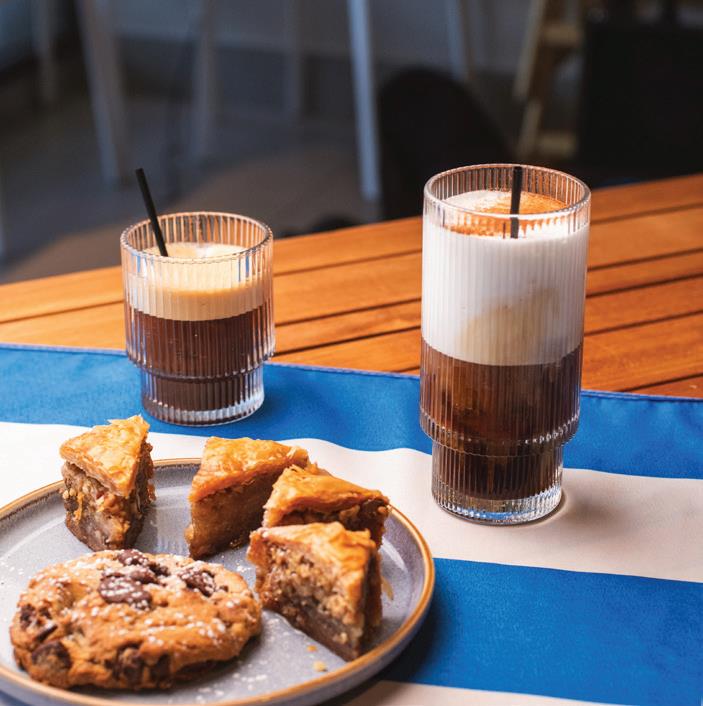
If it’s fresh and modern, blue and white still connects.
Sticking with blue and white—in a playful, modern way—can also prove a recipe for success. At The Gyro Project, the New York fast-casual brand founded by Estiator cover stars George Tenedios and Spiro Kokkosis, a very groovy blue-and-white mati, or Greek evil eye, has become a lure for customers.
“The blue-and-white color scheme will always scream ‘Greek,’ and it helps people recognize that we serve Greek/Mediterranean cuisine,” Tenedios tells Estiator. “Our logo represents a protective symbol to ward off negative energy. As Greeks, we grew up believing in the evil eye and its protection, as do other cultures in the Middle East, Latin America, and other parts of the Mediterranean. It all comes full circle regarding the design we curated. Walking into a Gyro Project location, you’re met with this cozy/modern/sexy environment, with high-energy music. So even if you do come in and you’re in a bad mood, it’s hard to dine in our restaurant and not uplift your energy.”
For The Gyro Projects interiors, Tenedios and his partners created a sleek, airy design that translates easily to any commercial environment. “When building and designing The Gyro Project, our main objective was that we did not want to look like just another typical Greek restaurant,” he says. “We wanted to curate a palette that not only translates to European/Cycladic vibes but also uplifts your mood.”
The formula has been a hit at The Gyro Project’s eight locations. “Customers love our design. We hear comments often that most Greek restaurants/QSR’s are reminiscent of each other, and they appreciate the extra steps in design taken to stand out and be different,” Tenedios says.
The Gyro Project: thegyroproject.com