GLP-1s and the Restaurant Industry
Posted by estiator at 13 May, at 21 : 33 PM Print
KNOWLEDGE IS POWER
By Peter Kambitsis, Entrepreneur
Adaptation in a new appetite economy
Over the past two years, one of the most quietly disruptive forces in the hospitality industry hasn’t been inflation, labor shortages, or technology. It has been biology. Specifically, the widespread adoption of GLP-1 medications such as Ozempic, Wegovy, and Mounjaro.
As a restaurant operator and consultant, I pay close attention to consumer behavior. What guests order, how much they consume, how frequently they dine out—these patterns tell a story. And recently, that story has shifted. Appetite suppression and portion control driven by GLP-1 medications are beginning to reshape dining behavior in ways that restaurants and bakeries cannot ignore.
This isn’t a crisis—but it is a structural change. And like every structural change in our industry, those who adapt intelligently will find opportunity where others see only disruption.
Smaller Appetites, Different Ordering Patterns
GLP-1 medications reduce hunger, slow gastric emptying, and help regulate blood sugar. For many consumers, that means smaller meals and a lower overall caloric intake. In practical terms, we are seeing:
- Guests splitting entrées more frequently.
- Increased ordering of appetizers instead of full courses.
- Reduced dessert attachment rates in some demographics.
- Greater sensitivity to heavy, overly rich menu items.
In my own operations, particularly in bakery and café settings, we’ve observed that some customers who previously purchased multiple pastries now opt for one shared item—or skip them entirely and choose a beverage. However, it’s important to clarify something: People are not stopping dining out. They are dining differently. The social component of restaurants remains strong. What is shifting is volume, not presence.

The Bakery Industry: A Direct Impact
Bakeries may feel the GLP-1 effect more immediately than full-service restaurants. Indulgent items—large cakes, oversized croissants, high-calorie desserts—are naturally impacted when customers are consciously reducing intake. But the solution is not to eliminate indulgence. The solution is flexibility.
Portion size innovation becomes critical. Mini pastries, smaller-format desserts, half portions, and shareable sweet options can preserve sales while aligning with evolving appetite patterns. We’ve found that when desserts are positioned as “perfectly portioned” rather than reduced, guests respond positively. It becomes about control, not restriction.
There is also increased demand for lighter alternatives—Greek yogurt-based desserts, fruit-forward pastries, lower-sugar options, and protein-enhanced baked goods. While traditional indulgence will always have a place, diversification is now a strategic necessity.
Quality Over Quantity
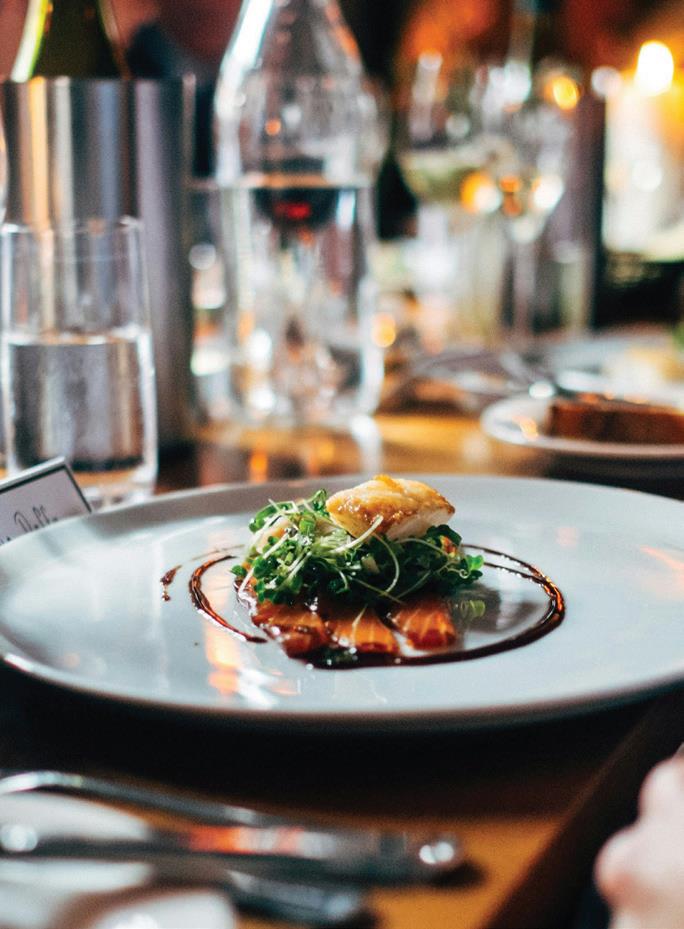
For restaurants, GLP-1 usage reinforces a trend that was already emerging: quality over quantity. Guests are becoming more selective. They may eat less, but they want what they do consume to be exceptional. This places greater pressure on execution, ingredient integrity, and presentation.
Large portions used to be a perceived value driver. Now, thoughtful portions can feel more premium. Oversized plates risk waste and discomfort for guests with reduced appetites. In consulting work, I now ask operators to evaluate whether portion sizes are aligned with modern consumption patterns. Slight reductions—if handled strategically—can protect margins while reducing waste. This is not about shrinkflation. It’s about recalibration.
Menu Engineering in the GLP-1 Era
GLP-1 medications highlight the importance of strategic menu engineering. If guests are ordering fewer courses, operators must ensure that high-margin items remain central to the experience. Shareable appetizers, premium small plates, and curated tasting formats can maintain check averages even as portion volume shifts.
Beverage programs become even more important. When food quantity decreases, beverage attachment—cocktails, mocktails, specialty coffee, wine—can help balance revenue. Another strategic adjustment is expanding protein-forward, lighter menu items. Lean proteins, grilled preparations, vegetable-driven dishes, and Mediterranean-style offerings align well with customers managing appetite and wellness goals.
As someone deeply connected to Mediterranean cuisine, I see this as an opportunity rather than a threat. Clean ingredients, balanced plates, and thoughtful portions are already part of that culinary philosophy.
Psychological and Social Factors
One of the most overlooked aspects of GLP-1 impact is psychological. Many guests on these medications feel empowered by health progress. They want environments that support—not undermine—their goals. Restaurants that avoid overt pressure to over-order and instead focus on experience, ambiance, and hospitality build trust.
The dining room must remain a place of enjoyment, not guilt. This is particularly important in bakeries. Positioning desserts as celebratory, shareable, and intentional helps remove stigma. Guests are not rejecting indulgence—they are moderating it.
The Long-Term Outlook
Are GLP-1s a temporary trend or a permanent shift? From my perspective, they represent a durable change in consumer behavior. As these medications become more accessible, their influence will expand across demographics.
However, the hospitality industry has survived far more dramatic shifts. We adapted to delivery apps. We adapted to inflation. We adapted to pandemic restrictions. We will adapt to this. The key is data awareness. Operators should monitor portion sales, attachment rates, dessert conversions, and waste patterns carefully. Small adjustments now prevent larger revenue erosion later.
Opportunities Hidden in the Shift
There are clear opportunities embedded in this evolution:
- Smaller-format desserts at premium pricing.
- Protein-rich bakery offerings.
- Elevated small-plate concepts.
- Beverage-driven experiences.
- Wellness-aligned marketing without sacrificing indulgence.
Experience remains the primary driver of dining out. Even with reduced appetite, people still crave connection, ambiance, and social engagement. If guests are eating less, the emotional value of what they eat becomes more important.
A Consultant’s Perspective
From where I sit—as both operator and advisor—the impact of GLP-1 medications is not catastrophic, but it is meaningful. It challenges the traditional equation of volume-driven revenue. Restaurants and bakeries that cling to oversized portions as their primary value proposition may struggle. Those that pivot toward quality, presentation, experience, and strategic menu design will thrive.
Hospitality has always been about understanding human behavior. Right now, human behavior is evolving at a biological level. Our job is to evolve alongside it. Food will always bring people together. The portion may shrink. The appetite may change. But the desire for shared experience remains constant—and that is where the real opportunity lies.
As always, feel free to reach out to me with any questions or topics you want me to look into.
Peter Kambitsis, cofounder of Kambitsis Group, has created successful businesses throughout the U.S. and Greece. Reach him at peter@kambitsisgroup.com.